




Q1. How Much Does Thoropass Actually Cost in 2026?
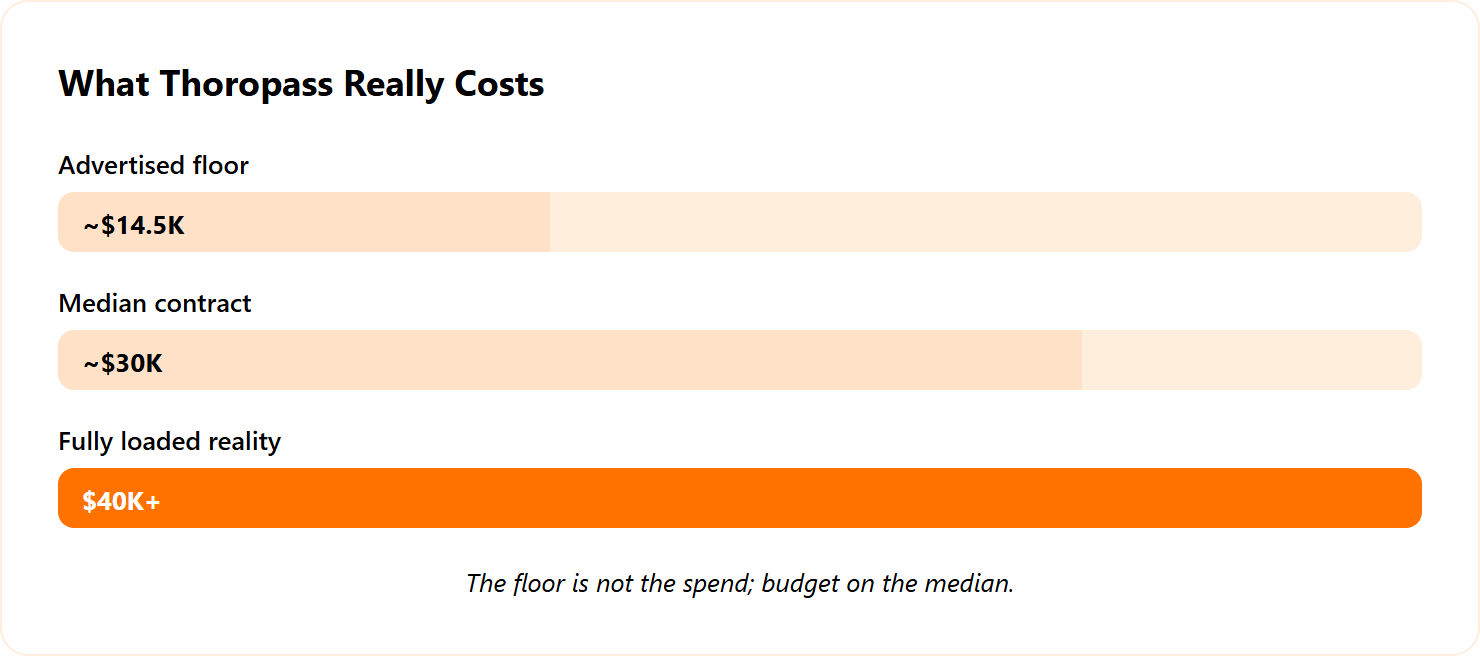
Thoropass starts at roughly $8,700 a year for the platform, plus $5,800 a year for the SOC 2 audit subscription on AWS Marketplace. That is a $14,500 floor. Real-world contracts average about $30,000 a year and run from $20,930 to $53,273. Bundled small-business engagements often land between $35,000 and $80,000, depending on headcount, framework count, and advisory tier.
💰 The number behind the demo form
Here is the part that annoys every buyer I talk to. You go to the Thoropass site, you want a price, and you get a “request a demo” form. So the real numbers live on third-party pages, not the vendor’s own.
Negotiating a renewal right now?
Try UnderDefense MAXI Compliance AI
I get why teams find that frustrating. You have a board deadline and a SOC 2 ask from a customer. You want a figure you can put in a budget line today, not after three sales calls. Our own cybersecurity budget guidance for mid-market firms starts from the same place: give the buyer a number.
📊 What buyers actually pay
The AWS Marketplace listing is the most honest public anchor, because it shows real subscription prices. Procurement data from Vendr fills in what teams negotiate in practice.
| Configuration | Typical annual cost | Source |
|---|---|---|
| Audit subscription (SOC 2) | from ~$5,800 | AWS Marketplace |
| Compliance platform | from ~$8,700 | AWS Marketplace |
| Standard (median contract) | ~$30,000 ($20,930 to $53,273) | Vendr |
| Enterprise / multi-framework | $30,000 to $80,000+ | soc2auditors.org |
⚠️ Why the floor is not the spend
That $14,500 entry point fluctuates. One review summary puts it plainly: “Aggressive Pricing $40K+. Extra high costs, can fluctuate during renewal cycles.” Your real number moves with employee count, how many frameworks you stack, and how much advisory help you buy.
Here is what I have learned watching mid-market teams buy compliance tooling. Buyers reward vendors who show the price up front and punish the ones who hide it. At UnderDefense, we publish transparent compliance pricing because a CISO with a deadline deserves a number, not a calendar invite. More on what that bundle actually contains in the next section.
“247 protection at a good price. It’s reassuring to know they’re always watching for threats, and it doesn’t cost a fortune.”
Serhii B., Chief Information Security Officer UnderDefense G2 Verified Review
“UnderDefense is surprisingly affordable considering the level of protection we get. Their proactive threat hunting and rapid response have saved us from incidents that could have been incredibly costly.”
Verified User in Program Development, Mid-Market UnderDefense G2 Verified Review
Q2. What Is Included, and How Does the Bundled Software-Plus-Audit Model Work?
Thoropass bundles two line items: a compliance platform (about $8,700 a year) and the SOC 2 audit itself (about $5,800 a year). The audit comes from an affiliated AICPA peer-reviewed CPA firm, Laika Compliance, LLC, doing business as Thoropass Assurance. Vanta and Drata sell software alone and send you to a separate auditor. So Thoropass sells the finished result, which explains the higher sticker and, often, the lower total cost.
🧩 Two line items, one vendor
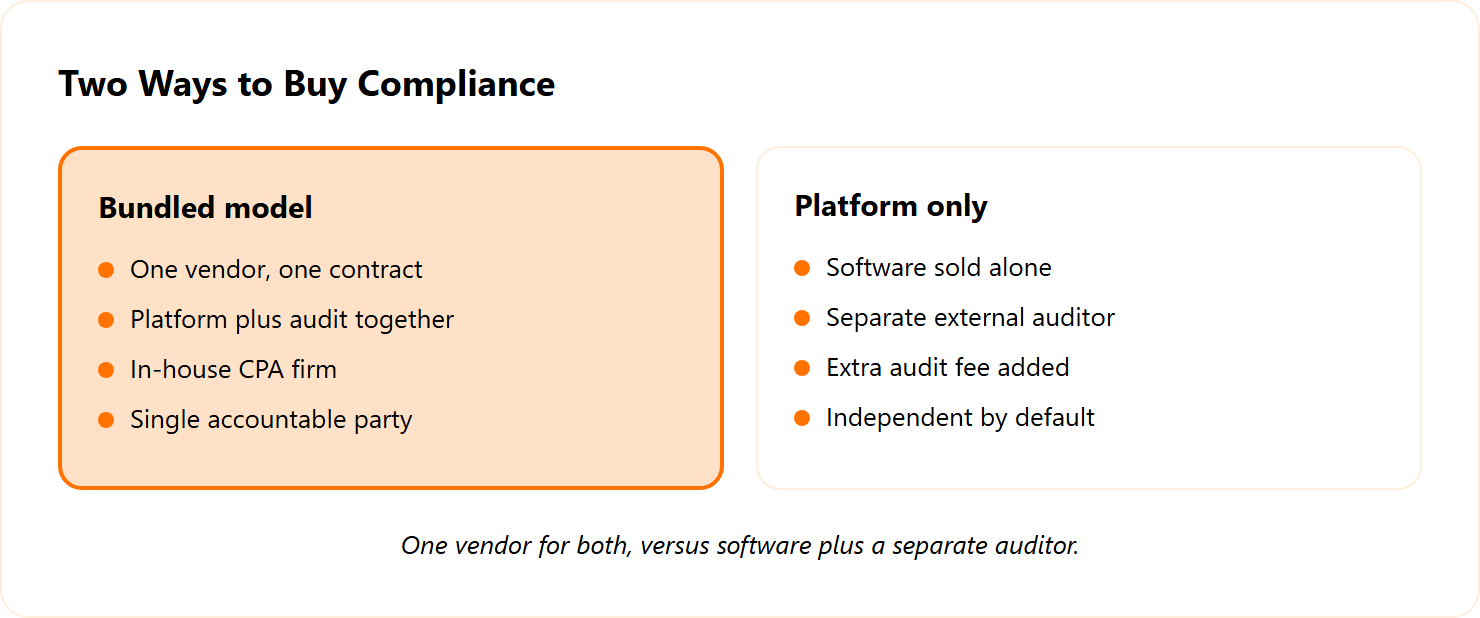
Think of most GRC tools as the gym membership. They give you the equipment and the checklist, then you hire a separate trainer (the auditor) to certify you.
Thoropass sells both in one box. The platform collects evidence, and the in-house CPA firm runs the attestation. For a lean team, that means one contract, one timeline, and one throat to choke when something slips. Our own compliance services work from the same single-accountability principle.
⚖️ The independence question
Now the part procurement teams should slow down on. The auditor is a separate legal entity (Laika Compliance) precisely so it can meet AICPA peer-review independence rules. That structure is legitimate. But common ownership between the software and the audit firm still trips some audit committees.
I might be wrong for your specific board, but here is my read from sitting in these reviews: confirm your independence policy before you start the sales cycle. A late-stage exception request is the kind of thing that blows a quarter-end timeline. A virtual CISO can pressure-test that policy for you in a week.
🔍 Where the bundle leans heavy
Reviewers note that Thoropass “relies more on human auditor review of static evidence than on continuous, automated infrastructure assessment.” That is the trade. You get human depth, and you get a process built around periodic evidence rather than live signal.
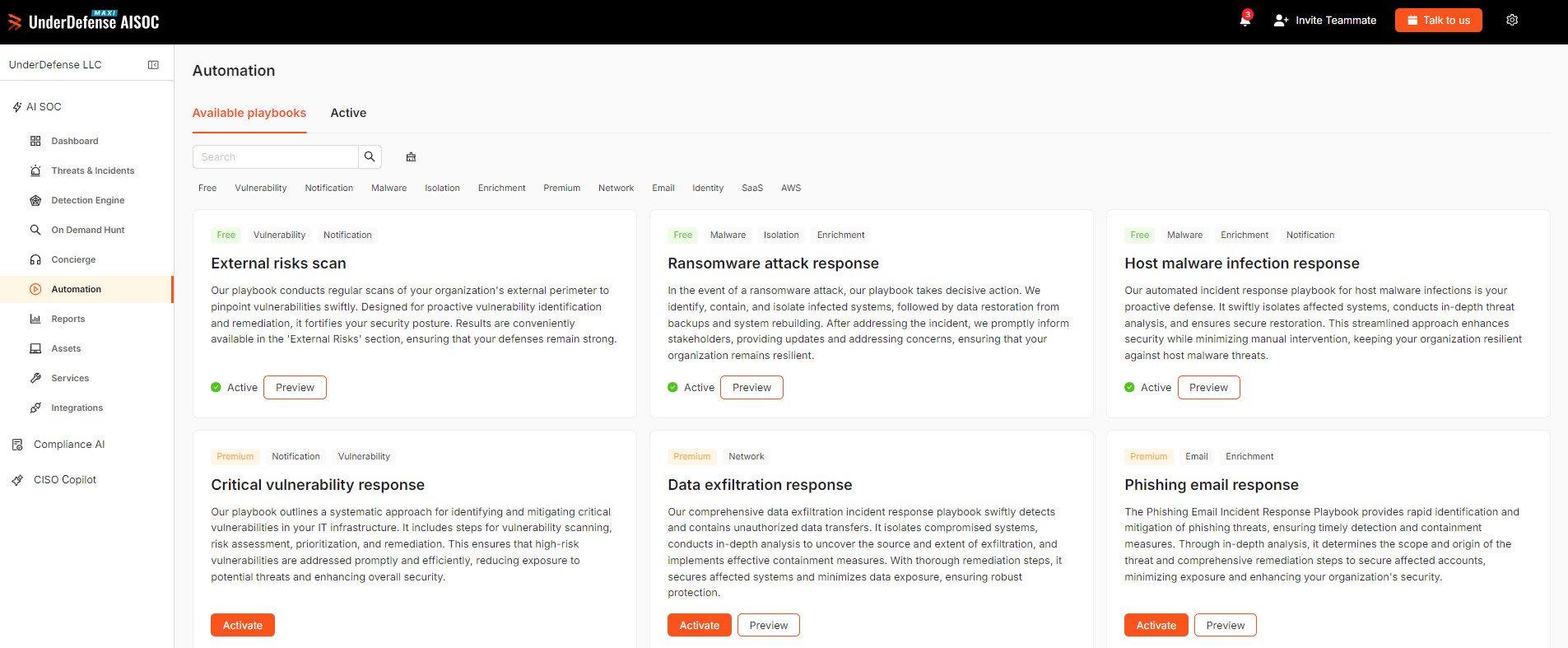
That gap is exactly where we built MAXI Compliance differently. We map real security telemetry to your controls as it happens, so an auditor sees verifiable evidence pulled from your live environment. Compliance built on a real security operations platform behaves differently from a checklist tool bolted onto an audit. You can see how that works on the UnderDefense MAXI Compliance AI platform.
Q3. What Hidden Costs, Renewal Increases, and Multi-Year Charges Should You Expect?
The sticker price understates the real spend. Buyers report 5 to 10 percent renewal increases, advisory-tier repricing in year two, a manual export and duplicate-upload labor tax, separate fees for every added framework, and external ISO 27001 certification-body costs (€8,000 to €30,000) the license never covers. Model the fully loaded three-year total, then look at the floor.
💸 The renewal you did not budget for
Year one looks clean. Year two is where the math shifts. Reviewers flag costs that “can fluctuate during renewal cycles,” and advisory tiers that get repriced once you are locked in.
A multi-year deal can hold your rate, which sounds good. It also holds you, which is the trade nobody mentions in the demo. This is one reason businesses switch cybersecurity providers at renewal.
⏰ The duplicate-upload tax
This is the cost that hides inside your own team’s hours. Users report “manual export and duplicate uploads,” plus “manual cross-referencing” to map evidence across different audits. That work slows global expansion and burns analyst time you cannot get back.
Picture your compliance lead re-uploading the same evidence into two framework workspaces at 7 p.m. before an auditor call. That is not a software bug. That is a structural cost of static-evidence tooling, the kind of cybersecurity technical debt that compounds quietly.
📋 Build the fully loaded number
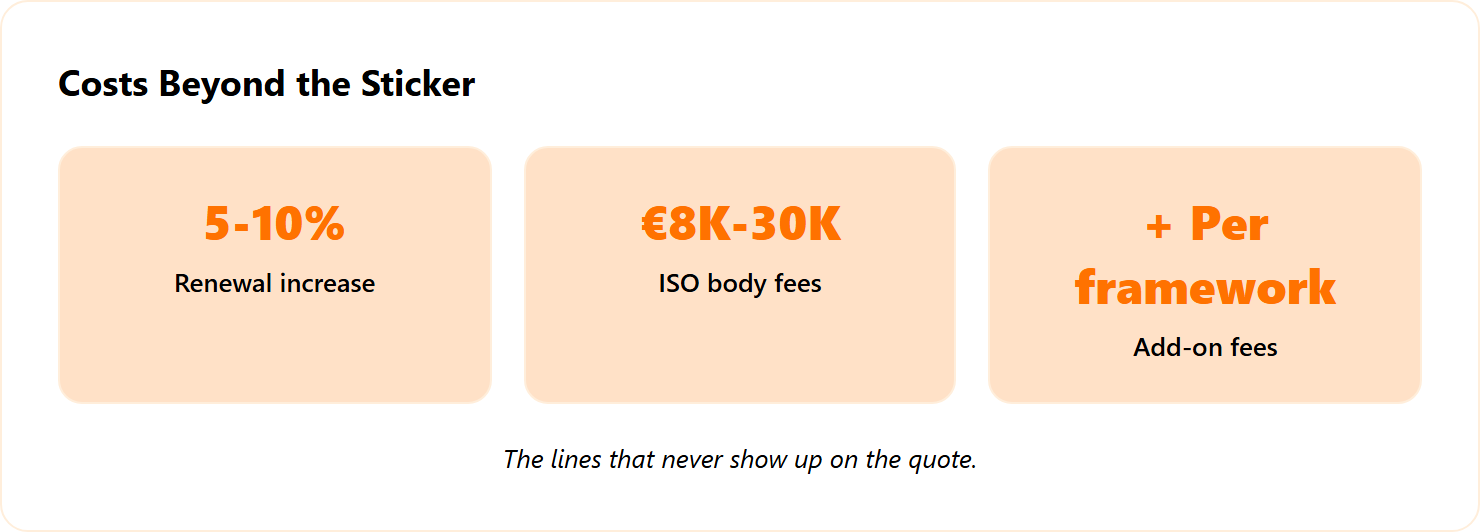
When I help teams budget, I tell them to add five lines to the platform quote: renewal escalation, per-framework add-on fees, any penetration test (priced separately), external ISO certification-body fees, and the internal labor for duplicate uploads. Add those, and the $14,500 floor often becomes a $40,000-plus reality. The 2026 cybersecurity budget playbook walks through this line by line.
✅ The one clause to confirm before you sign
Ask this before money moves: if we terminate, do all of our correlation rules, integrations, and detection logic stay in our SIEM? Your compliance evidence and your detection work should be yours to keep. At UnderDefense, we keep detection logic and evidence in the customer’s own stack, so nothing is held hostage when a contract ends. Our managed SIEM approach preserves your data ownership.
“They’ve also made our audit process much less painful. The reports from their platform give us clear evidence of our security controls. When auditors or clients ask questions, we can pull up exactly what they need to see. Worth every penny.”
Verified User, Small-Business UnderDefense G2 Verified Review
“Plus, their vCISO team was amazing in supporting us with ISO 27001. The 30-day impact reports transformed our understanding of security posture.”
Val R., Small-Business UnderDefense G2 Verified Review
Q4. How Does Thoropass Pricing Compare to Vanta, Drata, Sprinto, and Secureframe?
Vanta’s median runs about $20,000 a year and Drata sits close, but both are platform-only. Add a separate auditor and you spend an extra $15,000 to $50,000. Thoropass’s roughly $30,000 a year bundles that audit. Sprinto and Secureframe lean into SMB automation depth. With the SOC 2 audit in scope, Thoropass can come out ahead on total cost. For pure software automation, the automation-first tools lead.
📊 Read the comparison on total cost, then sticker price
The mistake I see buyers make is comparing sticker prices across vendors that sell different things. A platform-only tool looks cheaper until you add the auditor it does not include.
| Option | Median price/yr | Audit included? | Automation depth | Best fit |
|---|---|---|---|---|
| UnderDefense MAXI Compliance AI | Transparent, published | Compliance + live detection in one | High, telemetry-driven | Teams wanting compliance that doubles as threat detection |
| Thoropass | ~$30,000 | Yes, in-house CPA firm | Moderate, audit-heavy | One-vendor SOC 2 / HITRUST with bundled audit |
| Vanta | ~$20,000 | No, separate auditor | High | Automation-first SMB and mid-market |
| Drata | ~$20,000+ | No, separate auditor | High | Fast-scaling startups |
| Sprinto / Secureframe | SMB-tiered | No, separate auditor | High, SMB-focused | Lean teams wanting automation depth |
⚠️ Cheaper automation does not fix a broken process
Here is the contrarian piece I will stand behind. Automation “faithfully and beautifully executes the underlying brokenness” of a process. If your evidence workflow is broken, a cheaper tool just scales the brokenness faster.
So the real axis is not price. It is whether your controls are validated against live signal or against static evidence you uploaded once and hoped held. That difference is what your auditor and your board actually feel, and it is why we built the MAXI Compliance AI platform on verifiable telemetry.
✅ How I would choose
Pick Thoropass when you want one vendor for the software and the audit, and your procurement accepts a common-ownership auditor. Pick an automation-first tool when deep questionnaire automation matters more than a bundled audit.
Pick a compliance-on-a-real-SOC model, like MAXI Compliance, when you want the same platform to document compliance and detect threats. We built it so evidence comes from your live environment, with a 2-minute Alert-to-Triage and 15-minute escalation for critical incidents running underneath. See it on the UnderDefense MAXI Compliance AI platform, or compare options in our best managed cybersecurity services guide.
“I used to work with many MDR solutions in the past, and so far UnderDefense is the best one. It automates many tasks, and the platform seamlessly integrates our existing security tools.”
Inga M., CEO, Mid-Market UnderDefense G2 Verified Review
“It pulls in data from all our existing security tools, so we didn’t have to rip and replace anything. When they escalate something, they include the context we need.”
Verified User in Marketing and Advertising, Small-Business UnderDefense G2 Verified Review
Q5. Does the Price Buy a Real Result, or Just Compliance Theater?
A GRC quote buys an audit report, and an audit report and risk reduction are different things. Buyers report dashboards showing high completion that “does not align with an auditor’s reality.” A certified network can still fail the first hour it faces real traffic. Before you sign, ask what the spend prevents, then ask what it documents.
🚩 The standard read gets this backwards
Here is the uncomfortable part most pricing pages skip. Passing an audit has quietly decoupled from reducing risk. You can buy a beautiful green dashboard and still own a fragile network underneath it.
I have watched this up close after years running security operations, sometimes literally breaking out in hives trying to keep 24/7 coverage alive. A score on a screen never once stopped an attacker at 2 a.m., which is the whole point of continuous security monitoring.
⚠️ Dashboard green, auditor red
Reviewers say it plainly: “dashboard reliance often displays a high percentage of completion that does not align with an auditor’s reality.” So your tool shows 98 percent, then the auditor walks the evidence and finds gaps.
The same trap hits offensive testing. You can earn an authorization to operate because your penetration testing says the network is secure, then it dies the first hour it is open for business because the test was shallow. The question that matters is this: does this spend prevent an incident tomorrow? Often the honest answer is no.
✅ Evidence you can actually verify
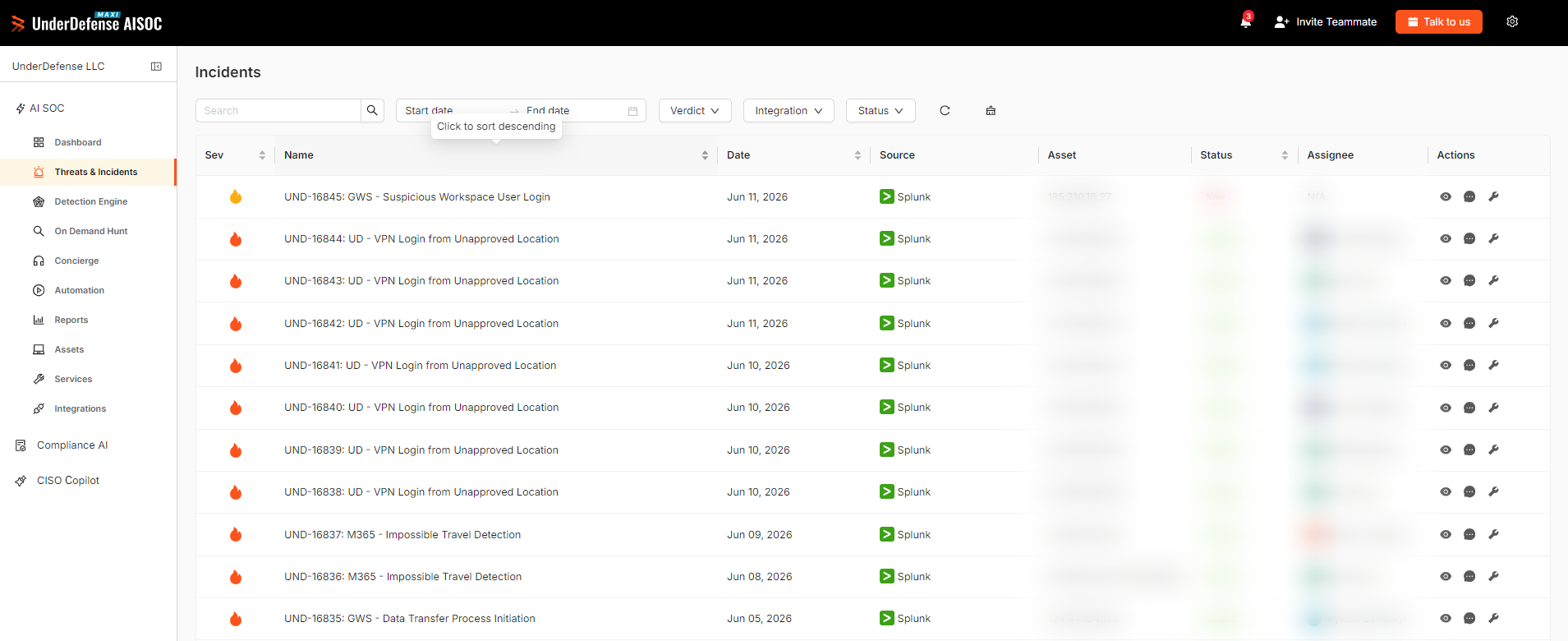
My read, and I will own this stance, is that compliance should rest on live signal rather than policies you wrote once and filed. An auditor trusts evidence more when it comes from your running environment, which is the core of our compliance services.
That belief shaped how we built MAXI Compliance. We map real security telemetry to your controls, with detection coverage tied to MITRE ATT&CK technique IDs, so the same platform that documents readiness also detects and responds to the threat. Compliance that helps prevent the incident earns its price. You can see the workflow on the UnderDefense MAXI Compliance AI platform.
“They’ve made our audit process much less painful. The reports give us clear evidence of our security controls. When auditors or clients ask questions, we pull up exactly what they need.”
Verified User, Mid-Market UnderDefense G2 Verified Review
“It improves security posture in general. It made it easier for us to make informed security decisions, and helped us comply with important regulations.”
Serhii I., CEO, Small-Business UnderDefense G2 Verified Review
Q6. What Is the Real ROI Math on a $40K+ GRC Investment?
ROI on GRC spend should be measured in audit cycles compressed and incidents prevented, then in boxes checked. Thoropass cites First Pass AI cutting audit cycles from 73 to 29 days, which is real value. The harder metric is what your monitoring actually catches. One team saved $300,000 in three months when live monitoring surfaced a payroll fraud a compliance dashboard would never flag.
💰 Two numbers that justify the spend
When a CFO asks me to justify a $40,000-plus compliance line, I anchor on two things: time saved and loss prevented. Everything else is noise.
Time saved is the easy half. Faster audit cycles free your team and unblock the enterprise deal waiting on your SOC 2, the same logic behind our 2026 cybersecurity budget playbook.
⏰ Speed alone leaves a gap
Thoropass reports First Pass AI compressing audit cycles from 73 days to 29. That is a strong number for documentation speed.
But faster paperwork does not prevent an incident. A tool can get you 40 percent audit-ready in 40 minutes and still miss the live attack moving through your environment that same week, which is where real managed detection and response earns its keep.
✅ The ROI that shows up in real monitoring
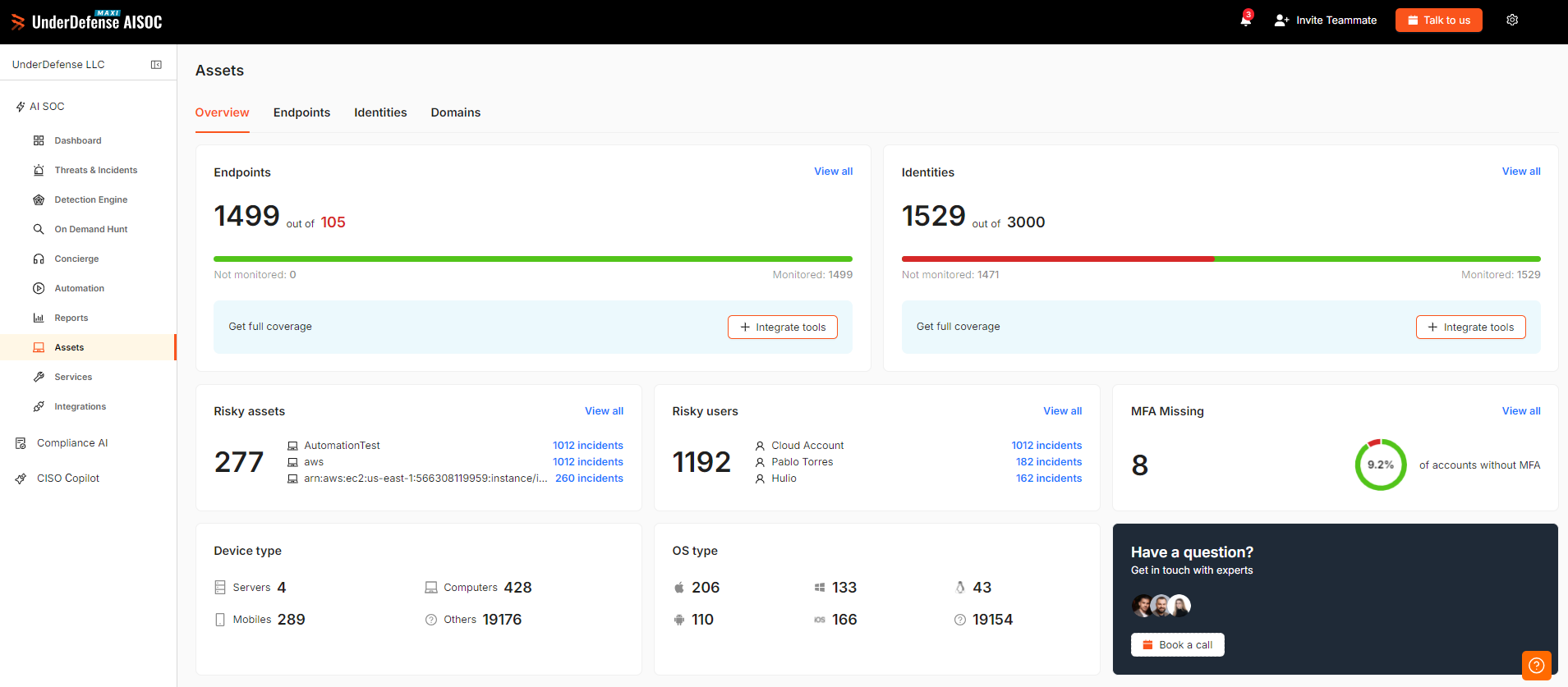
The second half of ROI is prevented loss, and this is where the math gets interesting. We once helped surface a fraud a customer did not know existed, and the catch saved roughly $300,000 in the first three months. A checklist tool would have scored that environment green and moved on, much like the case where our SIEM and SOC helped a client avoid a $650K loss.
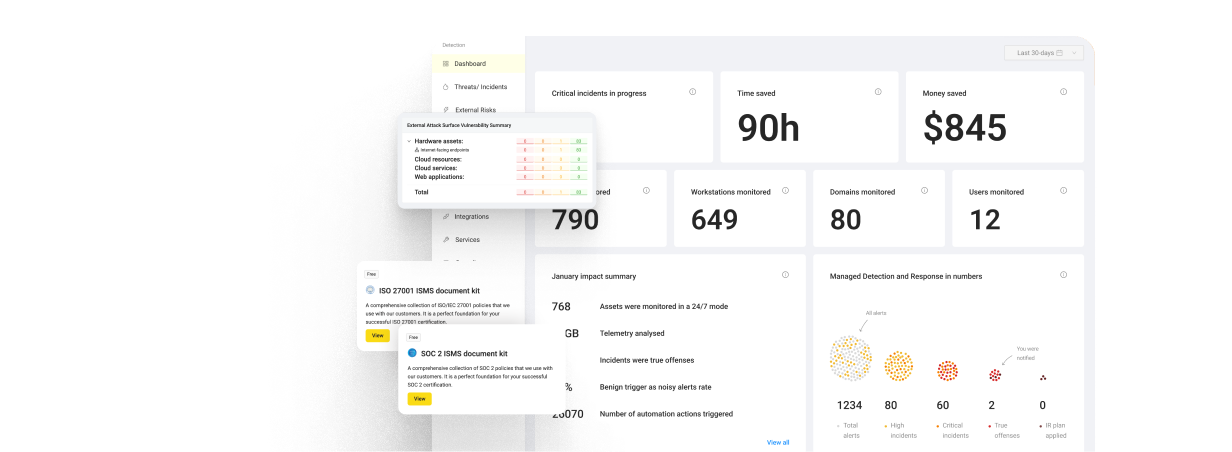
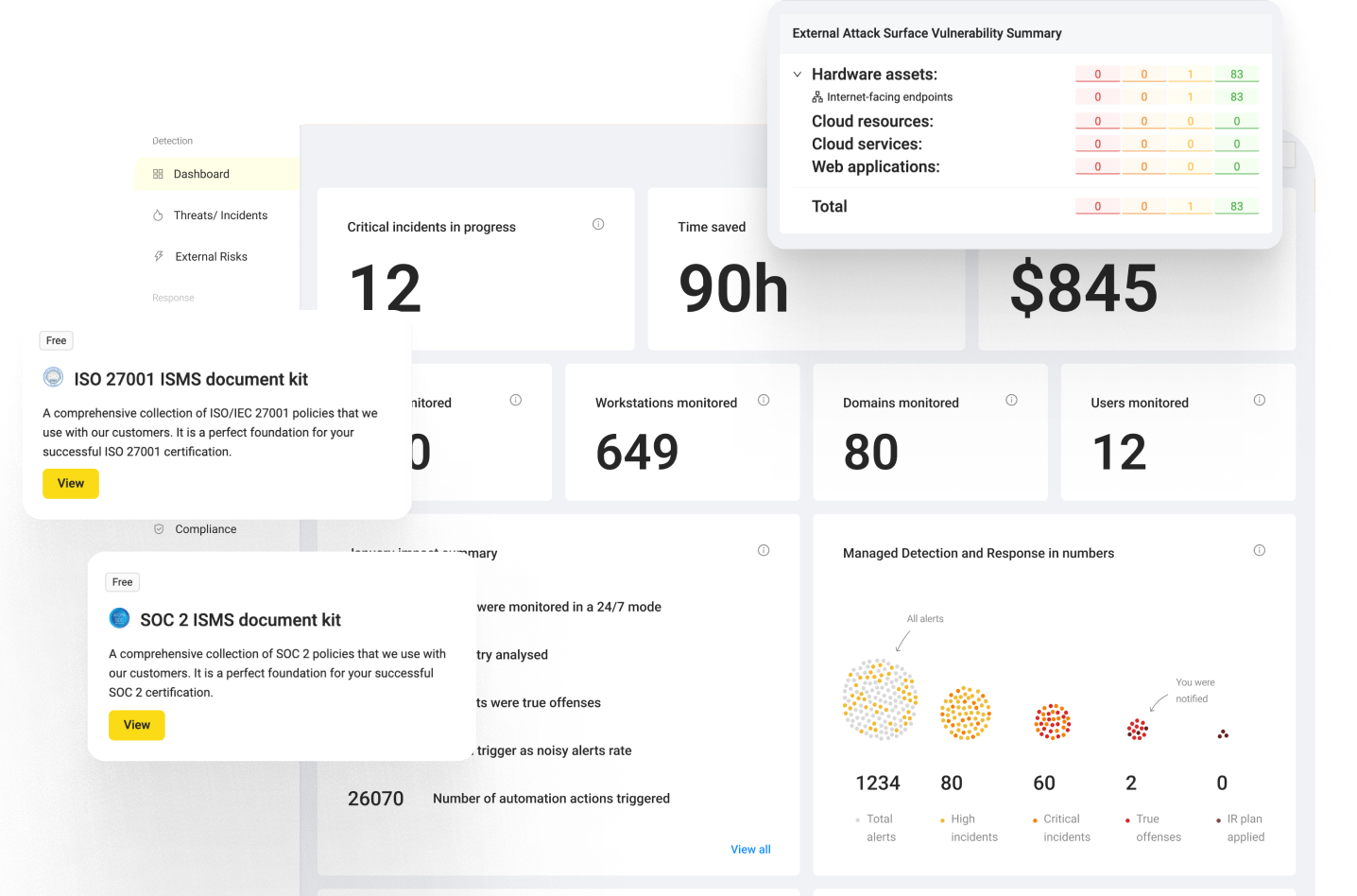
That is the difference between compliance built on a real security operations platform and a standalone checklist. Across our own deployments, MAXI Compliance has driven an 830 percent return over three years, because the same platform documents controls and watches for the thing that actually costs you money. You can see the saved-time and cost views on the UnderDefense MAXI Compliance AI platform.
Q7. Is the Human-in-the-Loop Audit Worth the Premium, or Does It Add Friction?
Thoropass’s human support genuinely leads its category, and the same humans are tied to an interface users call outdated and cluttered, very difficult for a beginner without constant hand-holding. So you partly pay for people to compensate for the tool. Decide whether you want human help, or a tool that rarely needs it.
👥 The situation: buying the human ally
Picture a compliance lead at a 600-person SaaS company. She picks Thoropass on purpose, because the human auditor support is the reassuring part of the pitch.
For her first few weeks, that bet pays off. Real people answer hard questions, and the white-glove guidance feels worth the premium, much like having a virtual CISO on call.
⚠️ The complication: the tool fights back
Then the friction shows up. Reviewers describe “solid human support” sitting on top of “an outdated and cluttered UI” that is “very difficult for a beginner to figure out without constant manual hand-holding.”
So the humans are partly there to walk you through software that should walk you through itself. Add manual cross-referencing across audits, and your team’s hours leak into the gaps, a familiar story when teams weigh outsourced versus in-house SOC models.
✅ The resolution: humans as generals, not crutches
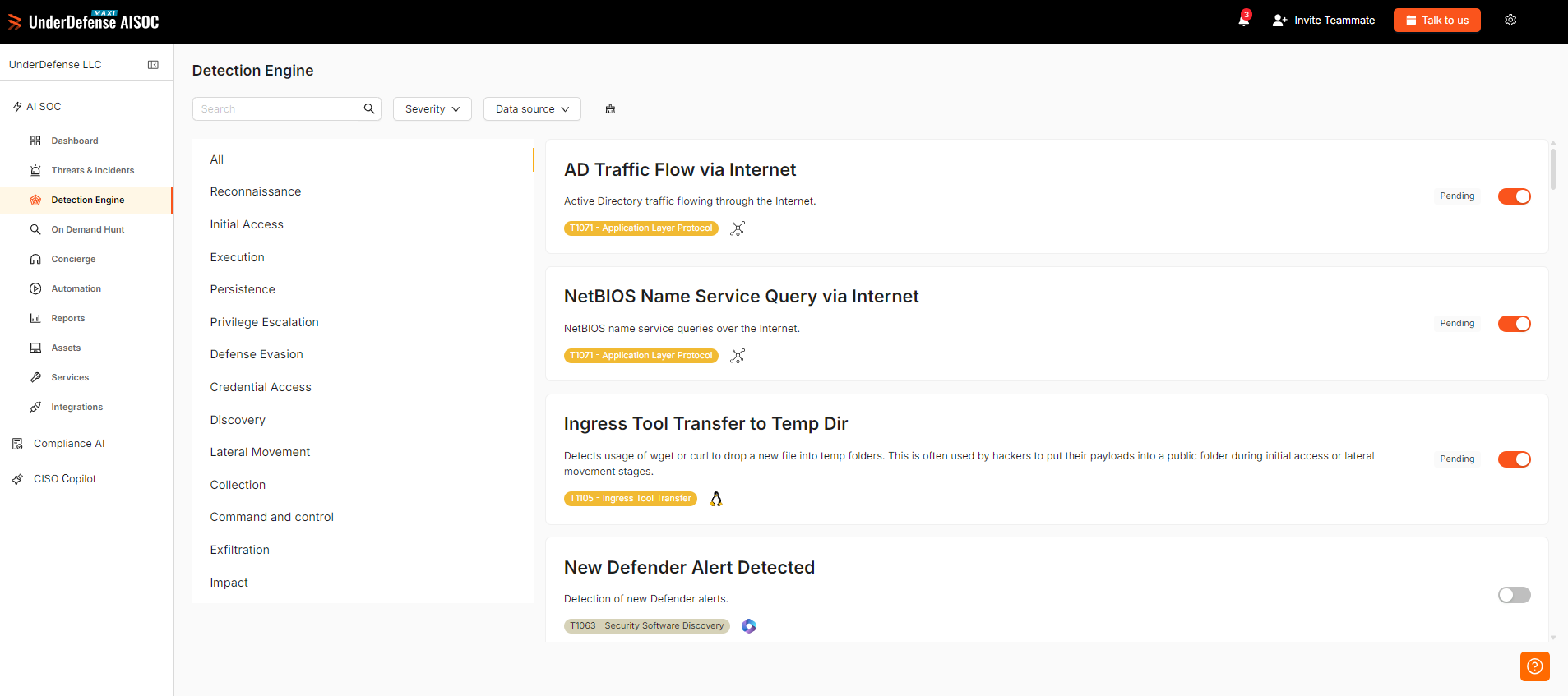
Here is how I think about the human-plus-automation split. AI agents should be your foot soldiers handling routine work, and your human experts should be the generals making the calls that need judgment, a theme we explore in does AI kill or save your SOC team.
When humans exist to fix tool friction, you are paying senior people to do junior cleanup. That is the trade I want buyers to see clearly. At UnderDefense, we pair agentic AI with Tier 3 and Tier 4 analysts on observable, auditable workflows, with a 2-minute Alert-to-Triage and a 15-minute escalation for critical incidents. The humans add depth on the edge cases, and the platform carries the routine. See it on the Agentic AI SOC platform.
“Like having extra security pros on your team. They give proactive tips too. Feels like my IT department suddenly got way smarter.”
Andriy H., Co-Founder and CTO, Mid-Market UnderDefense G2 Verified Review
“When they escalate something, they include the context we need to understand the issue quickly. We’re not wasting time piecing together what happened from different systems anymore.”
Verified User, Small-Business UnderDefense G2 Verified Review
Q8. How Should You Budget for Thoropass by Company Size and Framework Scope?
Budget on two levers: headcount and framework count. Expect roughly $35,000 a year for 25 to 100 employees and about $78,000 for 100 to 300, with single-framework SOC 2 nearer the $14,500 to $30,000 floor. Multi-framework scope (ISO 27001 plus HIPAA plus HITRUST) pushes toward $80,000-plus. Add external ISO certification-body fees and any penetration test separately.
📊 The two levers that move your quote
Your Thoropass number is mostly a function of two inputs. More employees raise the price, and more frameworks raise it again.
So before you take a sales call, estimate both. Here is the band most teams land in, and our cybersecurity budget guide for mid-market firms models the same approach.
| Employee band | Estimated annual cost | Typical framework scope |
|---|---|---|
| 25 to 100 | ~$35,000 | SOC 2 Type II |
| 100 to 300 | ~$78,000 | SOC 2 + ISO 27001 |
| Single framework, small team | $14,500 to $30,000 | SOC 2 only |
| Multi-framework | $80,000+ | SOC 2 + ISO 27001 + HIPAA/HITRUST |
Remember, external ISO certification-body fees (€8,000 to €30,000) and penetration tests sit outside that quote.
✅ Scope before you spend
Two moves save real money. First, run a NIST CSF budget visualization: map your dollars to the risk families, and you may find you spend zero on proactive capacity. That one-page view reshapes what you actually need to buy.
Second, audit your OAuth consent grants. As a Google or Microsoft admin, you can see every site where staff authenticated, which surfaces shadow vendors you did not know you had. That tightens your scope before an auditor expands it, the same discipline behind good attack surface management.
💰 Negotiate, then compare the model
On price, time the deal near a US quarter-end, separate the software line from the services line, and use a competing quote for 15 to 25 percent leverage.
One honest caveat: scope-driven quotes make annual budgeting hard for finance, especially across a portfolio. That is why we built our transparent compliance pricing to be all-inclusive, with forever-free compliance kits to start. For PE operating partners standardizing security across many entities, a predictable number beats a custom quote per company. See how it maps on the MAXI Compliance platform.
Q9. When Is Thoropass the Right Buy, and When Should You Choose Something Else?
Choose Thoropass if you want one vendor for both the software and the SOC 2 or HITRUST audit, and your procurement team accepts a common-ownership auditor. Look elsewhere if you need deep automation, a clean interface, lock-in-free evidence, or compliance that doubles as live threat detection. The best spend prevents tomorrow’s incident while it passes today’s audit.
✅ When Thoropass is the right buy
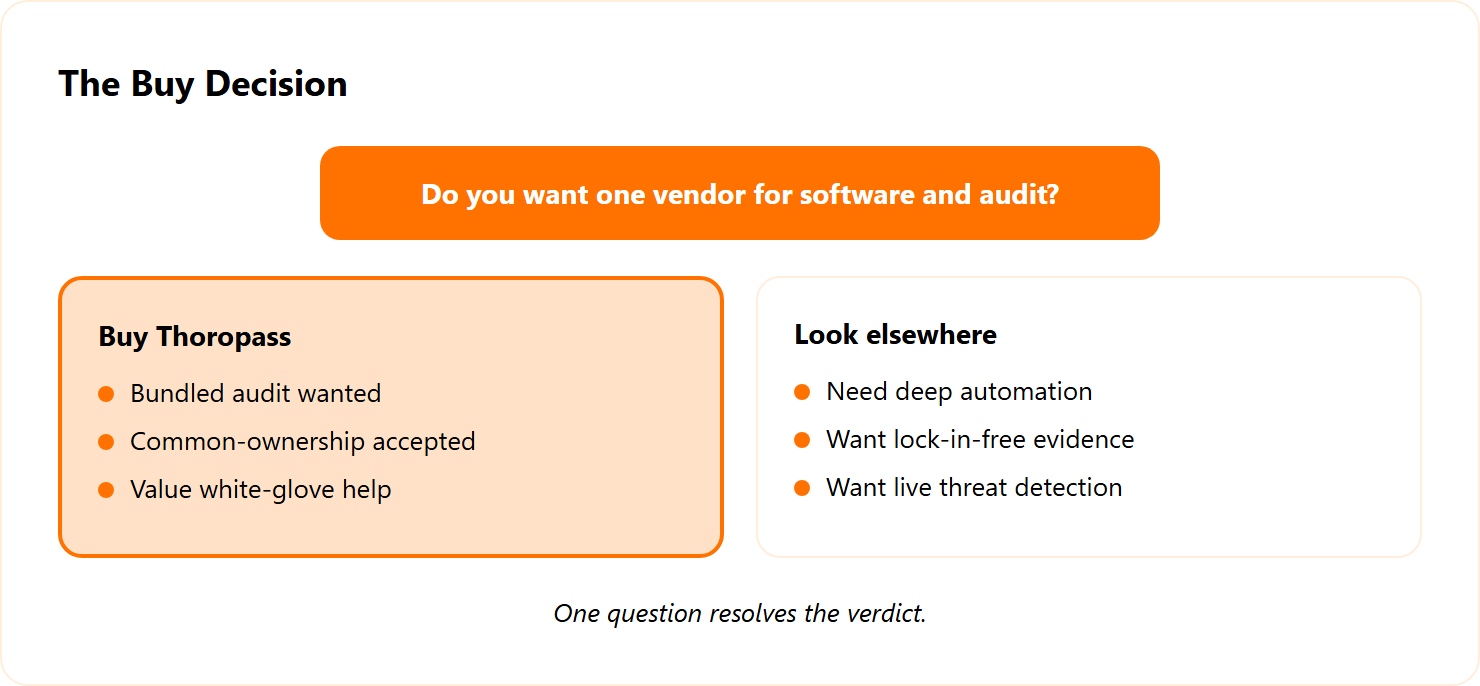
The verdict first, because you have a deadline. Thoropass fits a specific buyer well, and I want to name that buyer plainly.
Pick it when these things are true for you:
- You want one contract for the platform and the audit, with one timeline to manage.
- Your audit committee accepts an auditor under common ownership with the software vendor.
- SOC 2 Type II or HITRUST is your main framework, and human hand-holding through it has real value to you.
- You would rather pay a premium for white-glove support than self-serve through a tool, the kind of help a virtual CISO also provides.
❌ When to choose something else
Now the harder half. Some teams should look past it, and honesty here serves you more than a sale.
Look elsewhere when:
- You want compliance that also detects and responds to real threats, like compliance built on real managed detection and response.
- You need deep questionnaire automation and a clean interface over manual cross-referencing, closer to what good SOC automation delivers.
- You want your evidence and detection logic to stay yours, with no lock-in at renewal, which is why teams value managed SIEM data ownership.
- You are a lean team running an expensive stack with no one watching it at 2 a.m., the “two people and a dog” pattern I see far too often, where compliance services tied to live monitoring matter most.
🚩 The through-line that should guide the spend
Here is the conviction I keep coming back to. A green dashboard with a soft center underneath is the security version of candy with no real filling. It looks complete, then it disappoints when something bites.
My read, earned over years in the SOC, is that being a human in the loop is a genuine flex in 2026, when paired with automation that carries the routine, a balance we cover in does AI kill or save your SOC team. The spend that earns its price prevents the incident while it documents readiness. If you are weighing that trade for your own environment, we are happy to show you how the work actually happens at UnderDefense, no black boxes. See the UnderDefense MAXI Compliance AI platform, or start with our 2026 cybersecurity budget playbook.
“Really like the UnderDefense MAXI platform, as it has everything from early risk detection and compliance to incident response automation and 247 protection.”
Serhii I., CEO, Small-Business UnderDefense G2 Verified Review
“The service delivers what they promised without the typical vendor overselling and underdelivering we’ve experienced with others in this space.”
Verified User in Marketing and Advertising, Small-Business UnderDefense G2 Verified Review
1. How much does Thoropass actually cost per year in 2026?
The honest answer has a floor and a reality. The AWS Marketplace floor sits near $14,500 a year, roughly $8,700 for the compliance platform plus $5,800 for the SOC 2 audit subscription.
In practice, teams pay more. Procurement data puts the median contract near $30,000 a year, with a range of about $20,930 to $53,273.
- The website hides the number behind a demo form, so third-party pages carry the real figures.
- Your number moves with employee count, the number of frameworks you stack, and your advisory tier.
We take the opposite view on transparency. A buyer with a board deadline deserves a figure today, which is why we publish transparent compliance pricing instead of a calendar invite. Anchor your budget on the median, not the floor, then add the extras we cover in the hidden-cost question below.
2. What is included in Thoropass pricing, and how does the bundled software-plus-audit model work?
Thoropass sells two line items in one box: a compliance platform (about $8,700 a year) and the SOC 2 audit itself (about $5,800 a year).
Most GRC tools sell software alone and send you to a separate auditor. Thoropass runs the attestation through an affiliated, AICPA peer-reviewed CPA firm, so you get the finished result from one vendor.
- One contract, one timeline, and one accountable party.
- The process leans on human auditor review of static evidence more than on continuous, automated assessment.
That bundle is convenient, and it raises one question procurement should ask early: does your audit committee accept an auditor under common ownership with the software vendor? A virtual CISO can pressure-test that independence policy before the sales cycle starts. Where Thoropass relies on periodic evidence, our compliance services map live security telemetry to your controls, so the evidence is verifiable from your running environment.
3. What hidden costs and renewal increases should I expect with Thoropass?
The sticker price understates the real spend, and the gaps surface in year two. Buyers report renewal increases of 5 to 10 percent and advisory tiers that get repriced once you are locked in.
Then there are the costs that never appear on the quote:
- Separate fees for every added framework.
- A manual export and duplicate-upload labor tax that burns your team’s hours.
- External ISO 27001 certification-body fees of €8,000 to €30,000 the license never covers.
- Any penetration test, priced separately.
Add those lines and the $14,500 floor often becomes a $40,000-plus reality. We walk teams through this fully loaded math in our 2026 cybersecurity budget playbook. Before you sign, confirm one clause: if you terminate, do your correlation rules and evidence stay in your own stack? Your compliance work should be yours to keep.
4. How does Thoropass pricing compare to Vanta, Drata, Sprinto, and Secureframe?
The trap is comparing sticker prices across vendors that sell different things. Vanta and Drata both run near $20,000 a year, but they are platform-only and send you to a separate auditor.
Add that external audit, typically $15,000 to $50,000, and the platform-only option often costs more in total than Thoropass’s roughly $30,000 bundled price.
- Vanta and Drata lead on automation depth and clean interfaces.
- Sprinto and Secureframe lean into SMB-focused automation.
- Thoropass can win on total cost when the SOC 2 audit is in scope.
The deeper point is that cheaper automation does not fix a broken evidence process; it just scales it faster. The real axis is whether controls are validated against live signal or static uploads. That is why we built the MAXI Agentic AI SOC so the same platform that documents compliance also detects and responds to threats. For a broader view, see our best managed cybersecurity services guide.
5. Does paying for Thoropass buy real risk reduction or just compliance theater?
This is the question I most want buyers to sit with. A GRC quote buys an audit report, and an audit report and risk reduction are different things.
Reviewers note that dashboards often show high completion that does not align with an auditor’s reality. A network can pass and still fail the first hour it faces real traffic.
- Ask what the spend prevents, then ask what it documents.
- An auditor trusts evidence more when it comes from your running environment.
I have watched a green 98 percent score crumble the moment an auditor walked the actual evidence. The same shallow-test trap hits offensive work, which is why depth matters in penetration testing. Compliance that rests on live signal earns its price because it helps prevent the incident while it proves readiness. Our compliance approach maps detection coverage to MITRE ATT&CK techniques, so the documentation and the defense are the same work.
6. What is the real ROI on a $40K-plus GRC investment like Thoropass?
Measure ROI in two currencies: audit cycles compressed and incidents prevented. Boxes checked come last.
The speed half is real. Thoropass cites its First Pass AI cutting audit cycles from 73 days to 29, which frees your team and unblocks the enterprise deal waiting on your SOC 2.
- Time saved is the easy, visible return.
- Prevented loss is the larger, hidden return.
But faster paperwork does not catch a live attack moving through your environment that same week. We once helped surface a fraud a customer did not know existed, and the catch saved roughly $300,000 in three months, a result a checklist tool would have scored green and skipped. That mirrors a case where our SIEM and SOC helped a client avoid a $650K loss. Compliance built on a real security operations platform pays back on both axes, which is the logic behind our budget playbook.
7. How should I budget for Thoropass by company size and framework scope?
Your quote rides on two levers: headcount and framework count. Estimate both before you take a sales call.
- 25 to 100 employees: roughly $35,000 a year for SOC 2 Type II.
- 100 to 300 employees: about $78,000 a year for SOC 2 plus ISO 27001.
- Single framework, small team: near the $14,500 to $30,000 floor.
- Multi-framework (ISO 27001 plus HIPAA plus HITRUST): $80,000-plus.
Remember that external ISO certification-body fees and penetration tests sit outside that quote. Two moves save real money: map your dollars to NIST CSF risk families to find gaps, and audit your OAuth consent grants to surface shadow vendors before an auditor expands your scope, the same discipline behind good attack surface management. For finance teams that need a predictable number across a portfolio, we built all-inclusive compliance pricing instead of a custom quote per company.
8. When is Thoropass the right buy, and when should I choose something else?
Here is the verdict, because you have a deadline. Choose Thoropass when these are true:
- You want one vendor for both the software and the SOC 2 or HITRUST audit.
- Your procurement accepts a common-ownership auditor.
- You value white-glove human support over self-serve automation.
Look elsewhere when you need deep questionnaire automation, a clean interface, lock-in-free evidence, or compliance that doubles as live threat detection.
My read, earned over years in the SOC, is that being a human in the loop is a genuine flex in 2026 when paired with automation that carries the routine, a balance we explore in does AI kill or save your SOC team. The best spend prevents tomorrow’s incident while it passes today’s audit. If you want compliance on a real security operations platform, with a 2-minute Alert-to-Triage and 15-minute escalation underneath, we are happy to show you how the work happens through our managed detection and response team.