




Q1: What Are the 12 Best Penetration Testing Companies of 2026?
The 12 best penetration testing companies of 2026 are UnderDefense, Cobalt, NetSPI, Bishop Fox, Synack, HackerOne, Rapid7, Packetlabs, BreachLock, Astra Security, Qualysec, and Mandiant. UnderDefense ranks first for buyers who want testing tied to instant detection and response, vendor-agnostic integration, and transparent pricing. The others lead in PTaaS, enterprise scale, federal use, or manual-first depth, depending on your scope.
Choosing a penetration testing partner is a high-stakes call for any team holding sensitive data, compliance duties, and real ransomware exposure. Rather than rank by popularity, we analyzed 30+ providers using operational, technical, and commercial criteria that matter to security leaders. Each company was assessed on detection-and-response integration, manual testing depth, tester certifications, compliance and report quality, pricing transparency, and verified review reputation across Clutch, G2, and Gartner Peer Insights. This guide is built for CISOs, IT Directors, CTOs, compliance leaders, and PE operating partners at mid-market to enterprise organizations who are shortlisting vendors for an RFP and want a defensible, evidence-backed comparison they can hand to a board.
How the 12 Providers Compare at a Glance
| Provider (Rating) | 🎯 Best For | 💪 Key Strength | 📋 Compliance |
|---|---|---|---|
| UnderDefense ⭐⭐⭐⭐⭐ | Teams wanting testing tied to detection and response | Pentest plus Agentic AI SOC + Human Ally, vendor-agnostic, transparent pricing | SOC 2, ISO 27001, HIPAA, PCI DSS, GDPR |
| Cobalt ⭐⭐⭐⭐⭐ | Mid-to-large teams needing continuous PTaaS | Invented PTaaS, real-time findings, 24-hour launches | PCI DSS, SOC 2, ISO 27001 |
| NetSPI ⭐⭐⭐⭐ | Large enterprises and top banks | Deep manual testing at scale, Resolve platform | PCI DSS, SOC 2, HIPAA |
| Bishop Fox ⭐⭐⭐⭐ | Offensive-depth and continuous ASM | Cosmos real-time attack surface platform | SOC 2, ISO 27001 |
| Synack ⭐⭐⭐⭐ | Federal and high-trust environments | FedRAMP Moderate authorized crowd platform | FedRAMP, PCI DSS, HIPAA |
| HackerOne ⭐⭐⭐⭐ | Crowdsourced coverage and CTEM | 1M+ researcher community, agentic AI platform | SOC 2, ISO 27001, PCI DSS |
| Rapid7 ⭐⭐⭐⭐ | Teams already on the Insight platform | Built and maintains Metasploit | PCI DSS, SOC 2, HIPAA |
| Packetlabs ⭐⭐⭐⭐ | Manual-first compliance testing | 95% manual, OSCP-required testers | CREST, SOC 2 Type II, PCI DSS |
| BreachLock ⭐⭐⭐⭐ | Cost-conscious continuous testing | Unlimited built-in retesting, hybrid AI | PCI DSS, SOC 2, ISO 27001 |
| Astra Security ⭐⭐⭐ | SMBs needing verifiable VAPT | Public VAPT certificate, AI scanner | SOC 2, ISO 27001, HIPAA, GDPR |
| Qualysec ⭐⭐⭐ | Medtech and cost-sensitive buyers | Medical device and 510(k) specialization | ISO 27001, HIPAA, PCI DSS |
| Mandiant ⭐⭐⭐⭐ | Critical infrastructure and nation-state risk | Intelligence-led testing from live breach response | PCI DSS, SOC 2, HIPAA |
1. UnderDefense ⭐⭐⭐⭐⭐, Best for Teams That Want Testing Tied to Detection and Response
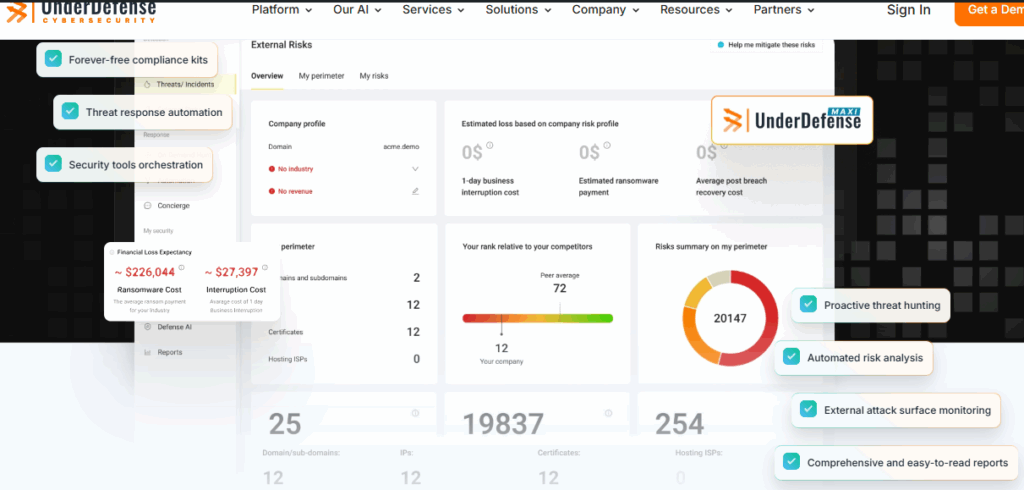
Overview 🛡️
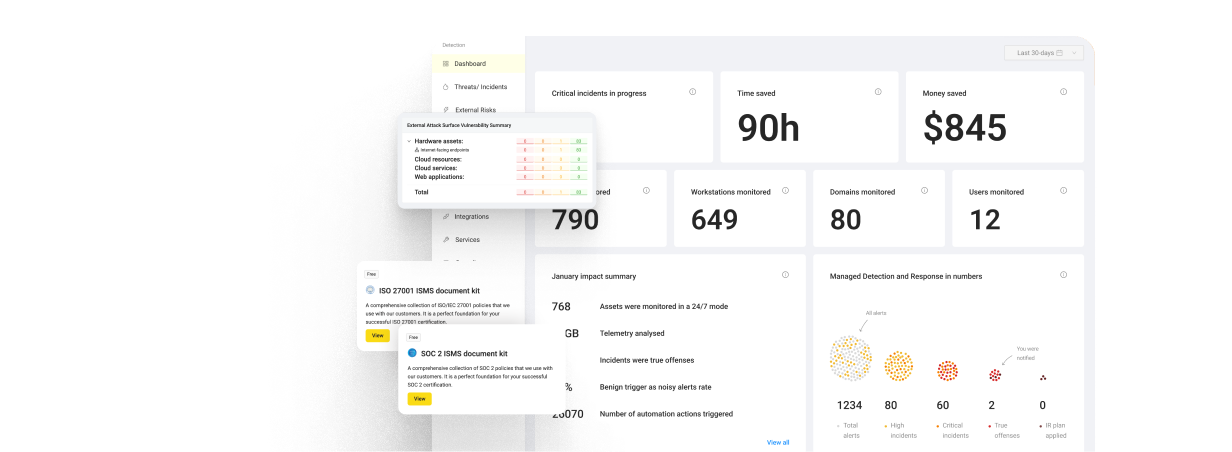
Here is something I say on almost every 2 a.m. bridge call. If you run a pen test and your SOC or MDR provider stays silent, that is a detection failure, not proof of a secure perimeter. Most lists stop at “who finds the most bugs.” We built UnderDefense around the next question: when a tester opens a door, who actually notices, and who responds?
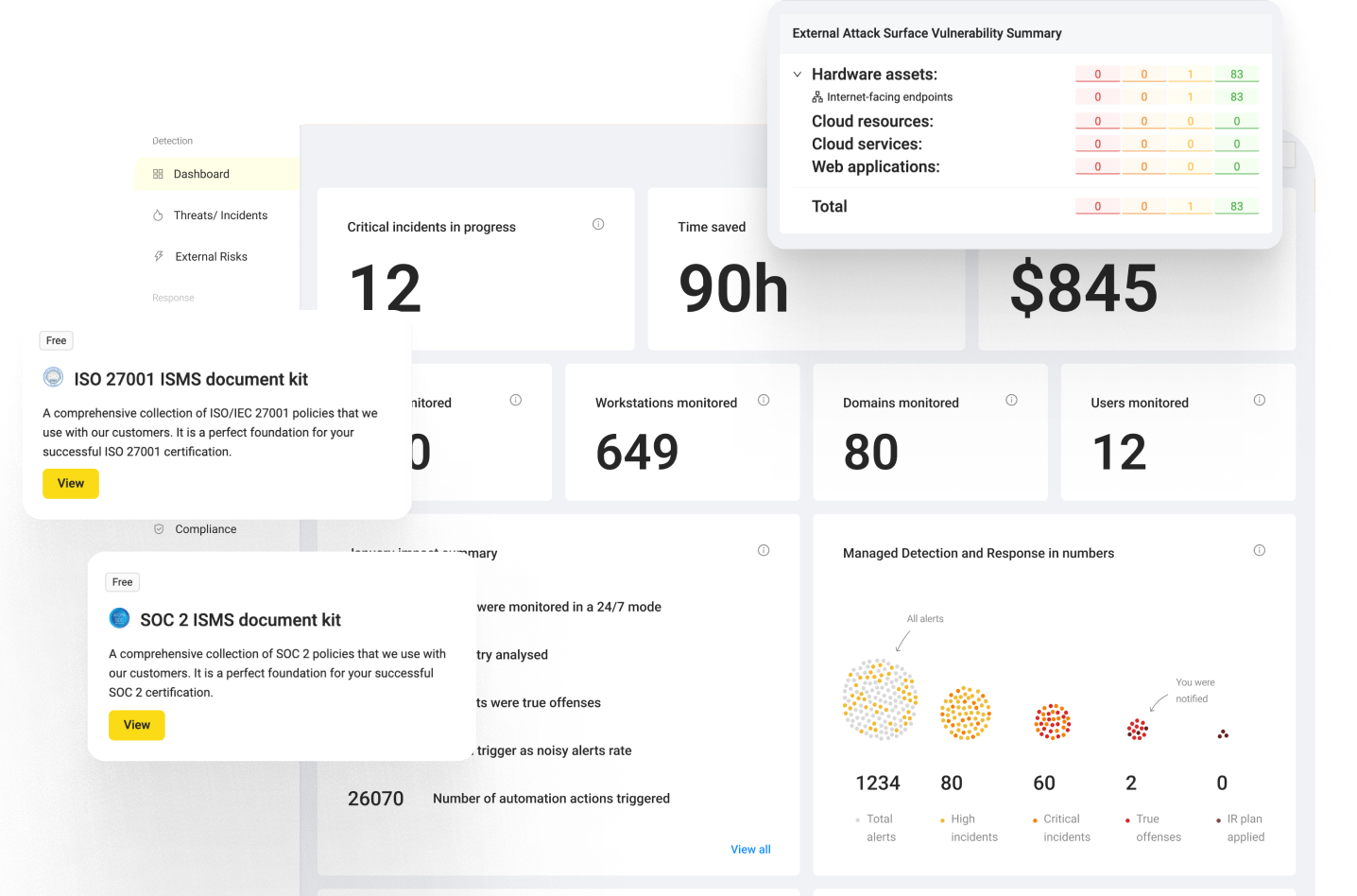
UnderDefense is a penetration testing and managed detection provider built on what we call the AI SOC plus Human Ally model. We test your stack, then tie the findings back to live detection and concierge analyst response. The goal is functional assurance, not a PDF that ages on a shelf.
Core Services 🧰
- 🔍 Web, API, mobile, network, and cloud penetration testing
- 🤝 Grey-box, black-box, and social engineering engagements
- 🧠 AI SOC + Human Ally MDR with concierge response
- 🔁 Free remediation retesting after fixes
- 📊 Executive plus technical reports mapped to compliance
Why Companies Consider UnderDefense ✅
Two facts drive the shortlist. First, we are vendor-agnostic and integrate across your existing tools, so you do not rip and replace your SIEM or EDR. Second, our analysts do not just escalate alerts. They reach out to affected users directly through ChatOps to verify activity and own the outcome.
Now the honest tradeoff. A traditional MDR vendor may flood you with a clean dashboard, but it still leaves manual investigation on your team. Black-box alert escalation without context slows response when minutes matter. Our read is that speed plus context beats raw alert volume every time.
Ideal Customer Profile 👥
Best suited for:
- Mid-market to enterprise teams (51 to 5,000+ employees)
- Compliance-driven organizations in SaaS, fintech, and healthcare
- Security-lean teams that cannot staff a 24/7 SOC
- Buyers who want pentest findings monitored, not filed away
Commercial Model 💰
We publish transparent pricing rather than hiding behind “custom quote required.” MDR runs roughly $11 to $15 per endpoint per month, and pen tests are scoped per project with a free remediation retest included. Clients have reported engagements in the $25,000 to $50,000 range for SaaS application testing.
When to Shortlist 📌
Shortlist UnderDefense when you want one partner to test, detect, and respond, with vendor-agnostic integration and pricing you can defend to a CFO. Teams preparing for SOC 2, ISO 27001, or HIPAA audits often include us alongside Cobalt and Packetlabs at the RFP stage.
Reviews 💬
“We recently worked with UnderDefense on a penetration testing project, and the experience exceeded our expectations. Their team provided us with clear and detailed insights into security vulnerabilities, along with practical recommendations on how to fix them.” Arman N., CTO, Mid-Market UnderDefense G2 Verified Review
“We had the pleasure to work with UnderDefense for web/API/mobile penetration testing. Their professionalism, expertise and promptness ensured we had an overall outstanding experience.” Manager, Legal and Compliance, Software UnderDefense Gartner Verified Review
2. Cobalt ⭐⭐⭐⭐⭐, Best for Mid-to-Large Teams Needing Continuous PTaaS
Overview 🛡️
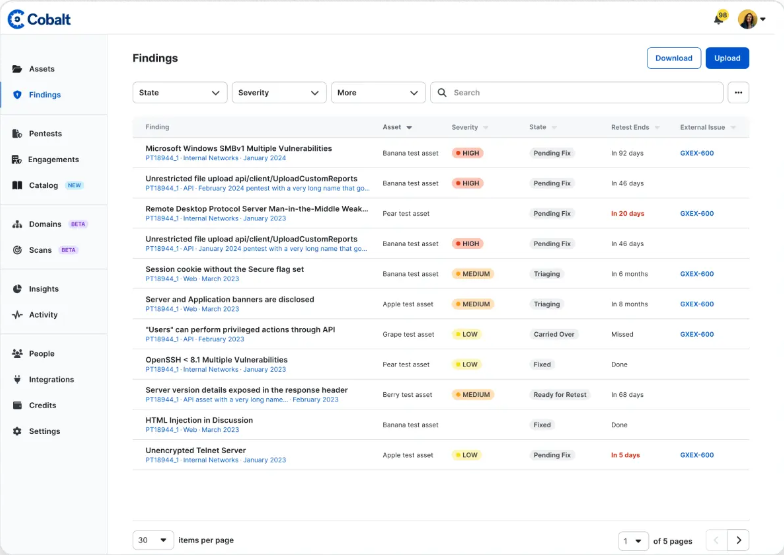
Cobalt invented Pentest as a Service, and it still leads that category. If your developers ship code every week, a once-a-year test is already stale by February. Cobalt connects you to a vetted community of pentesters and lets you launch a test in as little as 24 hours.
The platform feeds vulnerability findings in real time during an active test, not weeks later in a report. For a team trying to prove continuous compliance to a board, that speed is the whole point.
Core Services 🧰
- 🔍 Web, mobile, API, network, and cloud pentesting
- 🤖 AI-powered scoping and reporting plus human-led testing
- 🔄 Real-time findings during live engagements
- 🧩 50+ integrations (Jira, GitHub) and DAST
Why Companies Consider Cobalt ✅
Cobalt delivered 31,000 testing days and 255,000 hours of hands-on testing in 2025, and it has ranked number one on G2’s Grid for Penetration Testing for four consecutive years. Its credits-based model lets teams pre-buy capacity and deploy on demand without restarting procurement, and every test includes free retesting for 6 to 12 months.
The tradeoff is real. Cobalt’s credits model can feel complex and pricey for an SMB that needs just one test a year. Pricing is not public, so expect a custom quote.
Ideal Customer Profile 👥
Best suited for:
- Mid-to-large fintech, SaaS, and healthcare teams (100 to 5,000 employees)
- Organizations running multiple pentests per year
- Teams integrating findings into CI/CD pipelines
Commercial Model 💰
Cobalt uses a credits-based subscription. You buy pentest credits in advance, and they expire one year from purchase. Pricing is quote-based, with a demo available through cobalt.io.
When to Shortlist 📌
Shortlist Cobalt when continuous, platform-based testing and developer-workflow integration matter more than a single named consultant. It is a strong fit for compliance-driven teams scaling a program.
Reviews 💬
“When we first went with Cobalt it was purely for PCI requirements, but we were looking to scale our program and pentest on a more continuous basis. Cobalt gave us the ability to pentest on a frequent basis with minimum effort from our teams.” Verified Customer Cobalt G2 Verified Review
“Real-time findings and fast launches are great, but the entry-level credits model gets complex and pricing can be high for smaller companies.” Verified User, Security Cobalt G2 Verified Review
3. NetSPI ⭐⭐⭐⭐, Best for Large Enterprises and Top Banks
Overview 🛡️
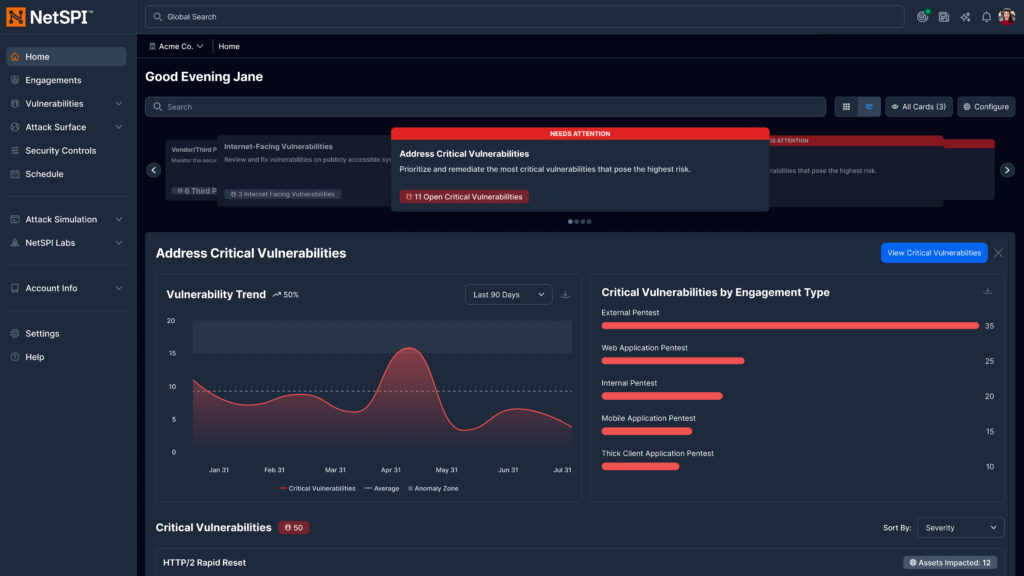
NetSPI is a 20-year-old enterprise pen testing firm with a simple philosophy: technology powered, human delivered. It is the testing firm of record for some of the largest financial institutions, cloud providers, and Fortune 500 companies in the world.
Backed by a $410M KKR round in October 2024, NetSPI runs deep manual testing through its proprietary Resolve platform across apps, networks, cloud, and attack surface management. When the stakes are bank-grade, that depth matters.
Core Services 🧰
- 🔍 Application, network, and cloud penetration testing
- 🌐 Attack surface management (ASM)
- 🧪 Red team and adversarial simulation
- 📈 PTaaS delivery via the Resolve platform
Why Companies Consider NetSPI ✅
NetSPI conducts more than 1,000 pen tests per year and runs 15 global offices, with testers presenting at Black Hat and DEF CON. For a large enterprise that needs scale, breadth, and a documented track record, that footprint is reassuring.
The tradeoff is cost and complexity. Smaller teams often find NetSPI’s enterprise pricing high, and the platform can require dedicated security staff to use fully.
Ideal Customer Profile 👥
Best suited for:
- Large enterprises and regulated financial institutions
- Organizations needing high-volume, recurring testing
- Teams wanting manual depth plus a managed platform
Commercial Model 💰
NetSPI uses custom, project-based enterprise pricing aligned to scope and program size. Expect a tailored quote rather than a public rate card. For teams comparing options, our MDR for financial services shows how testing and monitoring can stay under one roof.
When to Shortlist 📌
Shortlist NetSPI when you are an enterprise running a mature, high-volume testing program and need a partner that can serve top-tier banks and Fortune 500 environments.
Reviews 💬
“Comprehensive platform with strong Metasploit integration and clear reporting. The depth of manual testing is what sets the engagements apart for our enterprise needs.” Verified User, Enterprise NetSPI G2 Verified Review
“Strong for enterprise, but the pricing can be complex and is not the cheapest option for smaller teams evaluating a single engagement.” Verified User, Security NetSPI Gartner Verified Review
4. Bishop Fox ⭐⭐⭐⭐, Best for Enterprise Continuous Attack Surface Monitoring
Overview 🛡️
Most attack surface tools are built by defensive vendors who scan from the outside and guess. Bishop Fox built Cosmos differently. It is one of the only commercial continuous attack surface management platforms run by an actual offensive security firm.
That distinction matters more than it sounds. Cosmos finds exposures based on how attackers really exploit things, not passive scan signatures. Bishop Fox calls this forward defense, and it serves Fortune 500 and global enterprise clients.
Core Services 🧰
- 🔭 Continuous penetration testing via the Cosmos platform
- 🥷 Red teaming and adversarial simulation
- 🌐 Attack surface management (Cosmos ASM)
- ☁️ Application, cloud, and IoT security testing
- 🤖 AI/LLM security assessments
Why Companies Consider Bishop Fox ✅
Bishop Fox was founded by recognized offensive researchers Francis Brown and Vincent Liu, and its team presents regularly at Black Hat and DEF CON. Its forward defense approach produces tactical, immediately actionable findings that block specific attack techniques, not a bloated vulnerability inventory nobody reads.
Here is my honest caution. Public review volume is thin. The main G2 seller profile shows zero reviews, and Comparably NPS data leans mixed, so independent third-party validation is harder than with Cobalt or Rapid7. Premium pricing also rules it out for most SMBs.
Ideal Customer Profile 👥
Best suited for:
- Enterprises with 500+ employees in tech, finance, or government
- Teams needing point-in-time red teaming plus continuous ASM
- Buyers wanting one offensive security partner for both
Commercial Model 💰
Bishop Fox uses custom, consultation-based pricing. Cosmos is a subscription for continuous ASM, while red team and advisory work is project-based. No pricing is publicly listed.
When to Shortlist 📌
Shortlist Bishop Fox when you want deep offensive expertise paired with always-on attack surface monitoring from a single specialist, and your budget supports a premium tier.
Reviews 💬
“Bishop Fox’s outstanding email security and anti-phishing scores and low shadow IT public security posture indicate robust internal security controls and visibility.” Security Posture Analysis, 2024 Stellastra Verified Analysis
“Respected for research quality and red team capability, but the low public review volume makes it hard to validate independently before you sign.” Verified User, r/netsec Reddit Thread
5. Synack ⭐⭐⭐⭐, Best for Federal and High-Trust Environments
Overview 🛡️
If you are testing systems that touch federal data, most crowdsourced platforms are a non-starter on compliance grounds. Synack is one of the few commercial PTaaS platforms with FedRAMP Moderate Authorization. That single credential opens doors others cannot.
Synack pairs AI-powered scanning with a highly vetted global community called the Synack Red Team. The result is continuous, scalable testing across cloud, APIs, web, mobile, and AI/LLM environments.
Core Services 🧰
- 🇺🇸 FedRAMP-authorized continuous PTaaS
- 🔁 Synack365 on-demand and recurring testing
- ☁️ Cloud, API, host, and mobile testing
- 🤖 AI/LLM security testing
- 🧑💻 Vetted Synack Red Team researchers
Why Companies Consider Synack ✅
The vetting bar for the Synack Red Team is high, which buyers in regulated sectors value. The platform supports on-demand retests, and reviewers consistently praise the support and ease of use. For a federal agency or a Global 2000 firm, the trust posture is the draw.
The tradeoff is flexibility. Some reviewers note report depth versus traditional consulting, and limited tester customization. If you want a single named consultant who lives inside your environment, the crowd model may feel less personal.
Ideal Customer Profile 👥
Best suited for:
- Federal agencies and government contractors
- Global 2000 enterprises with high-trust requirements
- Teams needing continuous, platform-based testing at scale
Commercial Model 💰
Synack uses a custom, credits-based subscription model. Pricing is quote-driven and scales with scope, with details available through the Synack sales team and AWS Marketplace.
When to Shortlist 📌
Shortlist Synack when FedRAMP authorization or a rigorously vetted researcher pool is a hard requirement, and you want continuous coverage rather than a one-off engagement.
Reviews 💬
“Expert-led penetration testing delivered through the Synack platform, validating real-world exploitable vulnerabilities. The on-demand retest capability is genuinely useful.” Verified User Synack G2 Verified Review
“The platform is easy to use and support is excellent, though the report depth can feel lighter than a traditional dedicated consulting engagement.” Verified User, Security Synack G2 Verified Review
6. HackerOne ⭐⭐⭐⭐, Best for Crowdsourced Coverage and CTEM at Scale
Overview 🛡️
There is a long-running debate in security circles about bug bounty versus structured pen testing. HackerOne sits at the center of it, with a community of more than one million registered ethical hackers. That is breadth no single boutique firm can match.
HackerOne has grown past pure bug bounty into a full Continuous Threat Exposure Management platform, now with agentic AI features. For large tech teams wanting always-on, broad coverage, the scale is the pitch.
Core Services 🧰
- 🌍 Crowdsourced pentesting and bug bounty programs
- 🔄 Continuous Threat Exposure Management (CTEM)
- 🤖 Agentic AI-assisted triage and discovery
- 🧪 Pentest as a Service across web, API, and mobile
- 📋 Vulnerability disclosure programs
Why Companies Consider HackerOne ✅
The 1M+ researcher pool means diverse, creative testing at a speed and breadth that internal teams cannot reach. HackerOne holds a 4.5-star rating across 73 G2 reviews, and its CTEM platform ties discovery to ongoing exposure management. For large, mature security programs, that continuous coverage is the value.
The honest counterpoint is that crowdsourced models are not for everyone. Some reviewers openly debate bounty value versus structured pen testing, and program management overhead is real. You need a team to triage, scope, and run it well.
Ideal Customer Profile 👥
Best suited for:
- Large technology companies with mature security teams
- Organizations wanting continuous, broad attack coverage
- Teams adopting a CTEM operating model
Commercial Model 💰
HackerOne uses custom pricing built around bug bounty and PTaaS programs. Costs vary with program scope and bounty pools, so expect a tailored quote.
When to Shortlist 📌
Shortlist HackerOne when you want global crowdsourced coverage and a CTEM platform, and you have the internal capacity to manage a program at scale.
Reviews 💬
“In my opinion, a good bug bounty program is way more valuable to us than regular pen testing. The breadth of the researcher community surfaces issues we would never find otherwise.” Verified User HackerOne G2 Verified Review
“The platform is powerful, but running a program well takes real internal effort to triage and scope. It is not a set-and-forget solution.” Verified User, Security HackerOne G2 Verified Review
7. Rapid7 ⭐⭐⭐⭐, Best for Teams Already on the Insight Platform
Overview 🛡️
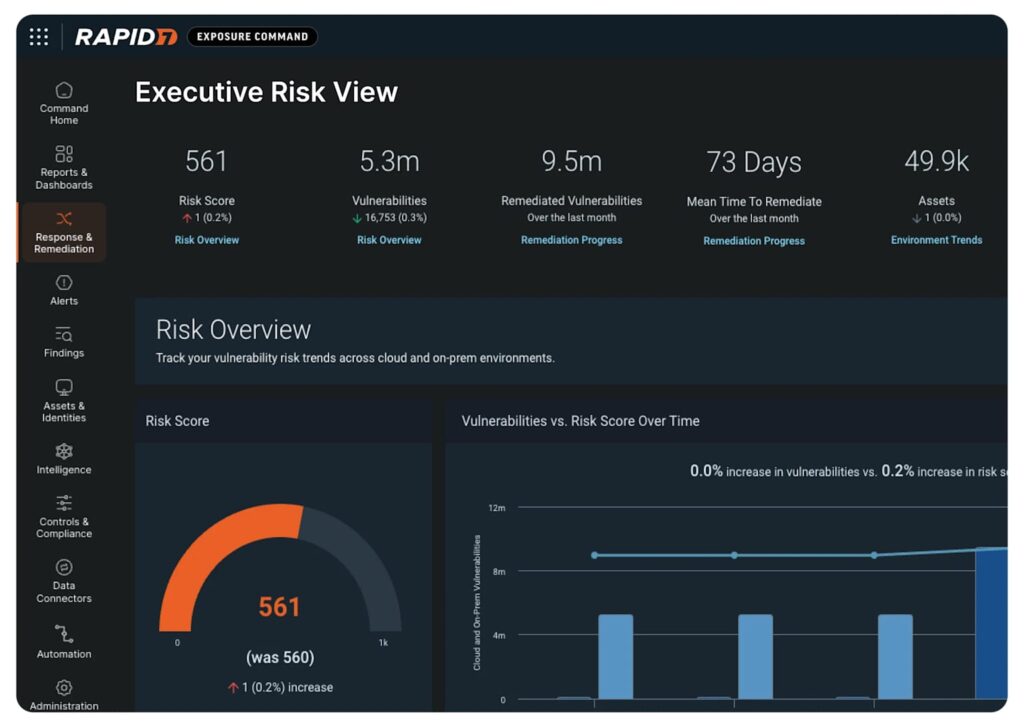
Rapid7 built and still maintains Metasploit, the most widely used open-source pentesting framework on earth. That heritage is real, and it earns respect from any working tester. The company is a public, full-stack security vendor wrapping pen testing into its broader Insight platform.
If your vulnerability management and SOC tooling already live in InsightVM and InsightIDR, adding Rapid7’s pen testing services keeps everything under one roof. For some teams, that consolidation is the whole appeal.
Core Services 🧰
- 🔍 Penetration testing services (network, web, app)
- 📊 InsightVM vulnerability management
- ☁️ InsightCloudSec cloud security
- 🤖 InsightConnect SOAR automation
- 🧨 Metasploit framework stewardship
Why Companies Consider Rapid7 ✅
Bundling pen testing with vulnerability management and cloud security in one Insight platform simplifies procurement and reporting. For an existing Rapid7 shop, the CRC Essentials license packages several products together at a value price point that smaller teams appreciate.
The honest tradeoff shows up in reviews. Some users report missing vulnerability coverage, heavy administrative effort, and inconsistent post-sale support. A platform that does many things can spread attention thin, so validate coverage for your specific stack before you sign. If you are weighing options, our roundup of Rapid7 alternatives can help.
Ideal Customer Profile 👥
Best suited for:
- Existing Rapid7 Insight platform customers
- Enterprises wanting consolidated VM, cloud, and pen testing
- Teams comfortable managing a broad product suite
Commercial Model 💰
Rapid7 prices on a platform and asset basis, with pen testing services scoped separately. Bundled licenses like CRC Essentials combine multiple products, and pricing scales with monitored assets.
When to Shortlist 📌
Shortlist Rapid7 when you already run its platform and want pen testing inside the same ecosystem. Run a thorough proof of concept and check vulnerability coverage for your software first.
Reviews 💬
“Their CRC Essentials license is absolutely value for money as it includes three of their products, InsightVM, InsightCloudSec and InsightConnect. However, it has made our work significantly more which is pretty annoying. The InsightVM product is supposed to give us a nice coverage for vulnerability management but it seem to have missing coverage for some major softwares.” Himanshu K., IT Security Operations Engineer, Mid-Market Rapid7 G2 Verified Review
“We constantly battle with false positives, feature requests take a long time. Rotating engineers for support results in a lack of continuity.” Manager, Vulnerability Management, Travel and Hospitality Rapid7 InsightVM Gartner Verified Review
8. Packetlabs ⭐⭐⭐⭐, Best for Manual-First Compliance Testing
Overview 🛡️
Most pen tests stop at an automated scan and a few exploit attempts. Packetlabs does the opposite. Its methodology is roughly 95% manual, and every tester is required to hold the OSCP certification as a baseline. That bar is rare in this market.
This Canada-based firm focuses on regulated mid-market organizations in North America that need defensible, human-led testing. It also carries a zero-breach track record across its engagements.
Core Services 🧰
- 🔍 Objective-based penetration testing (95% manual)
- 🥷 Red teaming and adversarial simulation
- 🌐 Application, network, and infrastructure testing
- 🏥 Compliance-driven testing (PCI DSS, SOC 2 Type II)
Why Companies Consider Packetlabs ✅
The OSCP-required testing team and manual-first approach mean findings reflect real exploitation, not scanner noise. Packetlabs publicly states a typical engagement range of $40,000 to $50,000, which gives buyers a rare, honest market benchmark. Its reports earn praise for depth and clarity.
The tradeoff is scope and price. Packetlabs is a focused, mid-sized firm, so it is not the cheapest option, and its North America focus may not fit global, follow-the-sun programs. If you need a continuous PTaaS dashboard, look elsewhere.
Ideal Customer Profile 👥
Best suited for:
- Regulated mid-market organizations in North America
- Teams needing manual-first, compliance-grade testing
- Buyers who value report depth over platform dashboards
Commercial Model 💰
Packetlabs uses project-based pricing, with engagements typically ranging from roughly $5,000 to $150,000 depending on scope. The company itself cites an industry average near $40,000 to $50,000. To benchmark scope and cost, see our pentest pricing guidance.
When to Shortlist 📌
Shortlist Packetlabs when manual depth, OSCP-certified testers, and audit-ready reports matter more than continuous automation, and you operate primarily in North America.
Reviews 💬
“We engaged Packetlabs to complete penetration testing, they were thorough, professional, and the report quality was excellent. The manual testing surfaced issues automated tools missed.” Verified Client Packetlabs Clutch Verified Review
“Strong manual testing and clear reporting, though scheduling and lead times can stretch when their team is in high demand.” Verified User, Security Packetlabs G2 Verified Review
9. BreachLock ⭐⭐⭐⭐, Best for Cost-Conscious Continuous Testing
Overview 🛡️
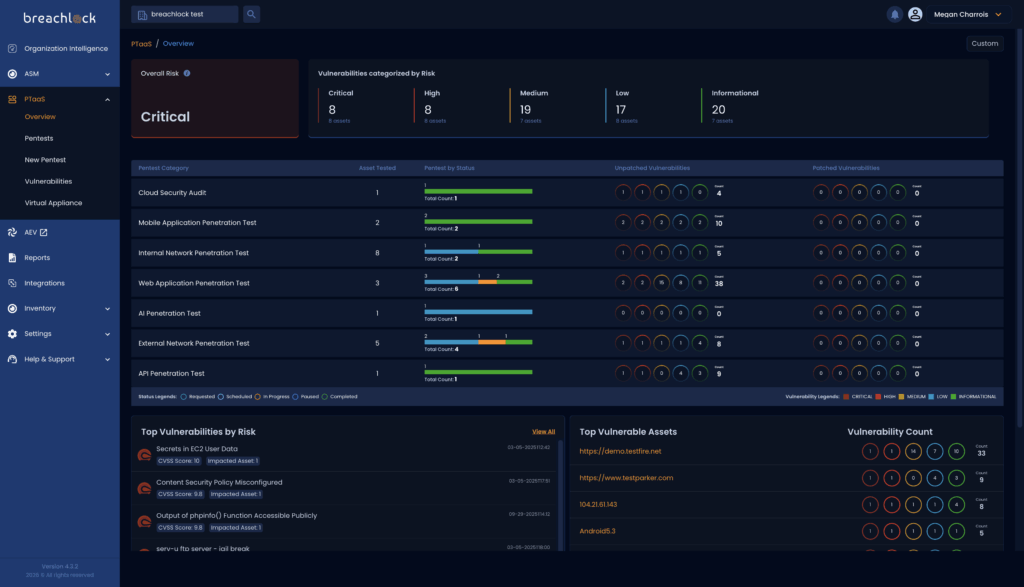
Here is a pattern I see constantly. A developer fixes a finding, then waits weeks and pays again just to confirm it is gone. BreachLock built around removing that friction. Unlimited on-demand retesting is included in the base engagement, not sold as an add-on.
BreachLock pairs AI-assisted automation with human testers to deliver PTaaS faster and cheaper than top-tier consulting. It serves roughly 1,000 enterprise clients across mid-market SaaS, fintech, and healthcare.
Core Services 🧰
- 🔍 Web, network, mobile, API, and cloud pen testing
- 🔁 Unlimited on-demand retesting (no extra fee)
- 📊 PTaaS dashboard with real-time findings
- 🎯 Continuous Attack Surface Discovery and AEV (CTEM)
Why Companies Consider BreachLock ✅
Reviewers single out on-demand retesting as a standout feature, with one Clutch analysis noting 100% of reviewers praised it. Pricing starts around $5,000, which makes enterprise-grade testing reachable for teams that cannot absorb a $40,000 consulting engagement. The hybrid AI plus human model also speeds delivery.
The tradeoff is depth and scale. Some reviewers note reports feel lighter than traditional consulting, and the AI-assisted model may not satisfy buyers who want purely manual, expert-driven work. Its smaller funding base means less scale than Cobalt or NetSPI.
Ideal Customer Profile 👥
Best suited for:
- Mid-market SaaS, fintech, and healthcare (50 to 500 employees)
- Cost-conscious teams needing fast, platform-driven PTaaS
- Organizations wanting continuous retesting built in
Commercial Model 💰
BreachLock starts around $5,000 for professional pen testing services, with a custom-priced continuous security validation tier. On-demand retesting is included in the base engagement, and a demo is available via breachlock.com.
When to Shortlist 📌
Shortlist BreachLock when budget, fast delivery, and unlimited retesting matter most, and you are comfortable with a hybrid AI plus human model rather than purely manual testing.
Reviews 💬
“The ability to conduct on-demand retests through its platform is a unique and impressive feature. It is cost-effective and the project management has been solid.” Verified Client BreachLock Clutch Verified Review
“Great value and fast delivery, but the report depth can feel lighter compared to a traditional dedicated consulting firm.” Verified User, Security BreachLock G2 Verified Review
10. Astra Security ⭐⭐⭐, Best for SMBs Needing a Verifiable VAPT Certificate
Overview 🛡️
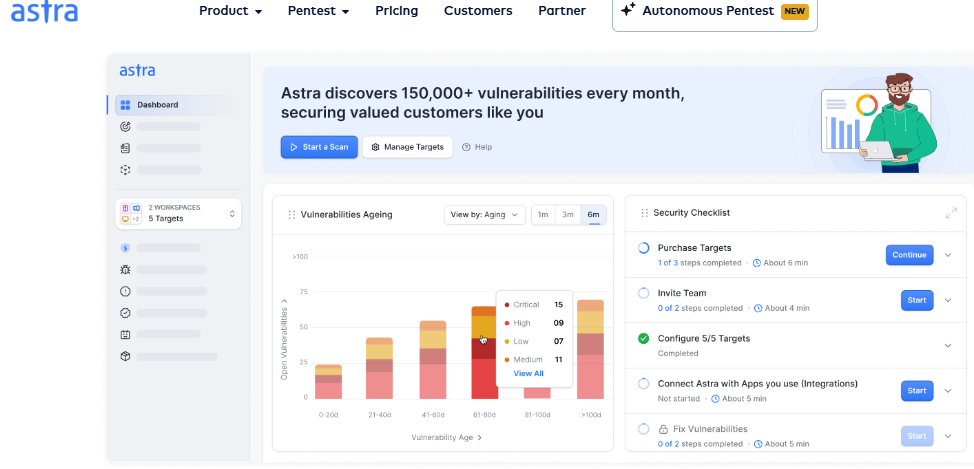
A PDF report ages the moment you hand it to a customer or auditor. Astra fixes that with a publicly verifiable VAPT certificate that links back to its records. It is the only provider on this list issuing live, independently checkable proof of testing.
Astra pairs an AI-powered continuous scanner (OrbitX) with manual expert testing. Its founders previously reported critical vulnerabilities to Microsoft, Adobe, AT&T, Yahoo, and Blackberry, which grounds the platform in real offensive work.
Core Services 🧰
- 🔍 Web, mobile, API, and cloud penetration testing
- 🤖 OrbitX continuous AI scanner (9,300+ test cases)
- 🧑💻 Manual testing by certified experts
- 📜 Publicly verifiable VAPT certificate
- 🔗 Slack, Jira, and email integrations
Why Companies Consider Astra ✅
Astra serves 800+ organizations across 70 countries, including the University of Cambridge and CompTIA, and is a G2 Leader for Spring 2025. The AI scanner uncovered roughly 5,500 vulnerabilities per day in 2024, and reviewers consistently praise the cost-to-value ratio. For a growth-stage team, that combination is hard to beat.
The honest tradeoff is scale and polish. Reviewers flag a dashboard that can feel slow and occasional response delays. At 94 employees, Astra has less capacity for very large enterprise engagements, and brand recognition in North America trails Cobalt or NetSPI.
Ideal Customer Profile 👥
Best suited for:
- Startups and mid-market SaaS (10 to 500 employees)
- Teams in the US, India, or Southeast Asia wanting strong value
- Developer-first teams needing CI/CD integrations
Commercial Model 💰
Astra uses custom, quote-based pricing. It runs an annual subscription for continuous scanning and project-based pricing for manual pentests, with a demo available via getastra.com.
When to Shortlist 📌
Shortlist Astra when you want strong automated plus manual coverage, modern developer integrations, and a verifiable certificate you can show customers, all at a growth-stage budget.
Reviews 💬
“As a security specialist, I’ve used a handful of pen-testing software, but I stayed with Astra a few years back. Cost vs value here, Astra wins by a massive amount. What sold me was their manual pen testing done by real humans alongside daily and weekly emerging vulnerability checks.” Security Specialist Astra G2 Verified Review
“The OWASP coverage and Slack/Jira integration are great, but the dashboard can be slow and the re-testing process needs clearer guidance.” Verified User, Security Astra G2 Verified Review
11. Qualysec ⭐⭐⭐, Best for Medtech and Cost-Sensitive Buyers
Overview 🛡️
Medical device security is a niche most general pen testing firms avoid. Qualysec leans into it. This India-based, ISO 27001-certified firm has documented expertise in 510(k) pre-submission documentation for medical devices, a highly regulated specialty.
Qualysec offers human-led, AI-powered testing across web, mobile, cloud, IoT, and AI/LLM environments. It has completed 500+ assessments across 21 countries with strong responsiveness scores.
Core Services 🧰
- 🔍 Web, mobile, cloud, and IoT penetration testing
- 🏥 Medical device and 510(k) compliance testing
- 🤖 AI/LLM security testing
- 📋 Compliance support (ISO 27001, HIPAA, PCI DSS)
Why Companies Consider Qualysec ✅
Qualysec holds a 4.9 rating across 28 Clutch reviews, with clients praising on-time delivery, communication, and value for money. Its medtech and 510(k) specialization is rare, and its India-based delivery enables enterprise-quality testing well below Western pricing. For cost-sensitive global buyers, that is the draw.
The honest caution is social proof and scale. Qualysec has only one G2 review, which limits independent validation on that platform. As a bootstrapped firm of 50 to 249 people, its capacity for very large enterprise programs is more limited than the top tier.
Ideal Customer Profile 👥
Best suited for:
- Medtech, fintech, and healthcare needing compliance testing
- Cost-conscious startups and global SMBs
- Teams needing 510(k) or regulatory-driven assessments
Commercial Model 💰
Qualysec uses custom, project-based pricing with no public rates. Reviewers describe it as affordable versus Western firms, and a quote requires direct engagement. For regulated buyers, our compliance services map testing to audit evidence.
When to Shortlist 📌
Shortlist Qualysec when you need medical device or compliance-driven testing at a competitive price, and you are comfortable with a smaller firm and lighter G2 footprint.
Reviews 💬
“Overall, we had a very positive experience working with Qualysec Technologies Pvt Ltd. The team delivered on time, was very communicative, and provided great value for the money.” Medical Device Client, Sweden Qualysec Clutch Verified Review
“Detailed and structured approach to testing, though their public review presence is still thin compared to larger firms.” Verified User Qualysec G2 Verified Review
12. Mandiant ⭐⭐⭐⭐, Best for Critical Infrastructure and Nation-State Risk
Overview 🛡️
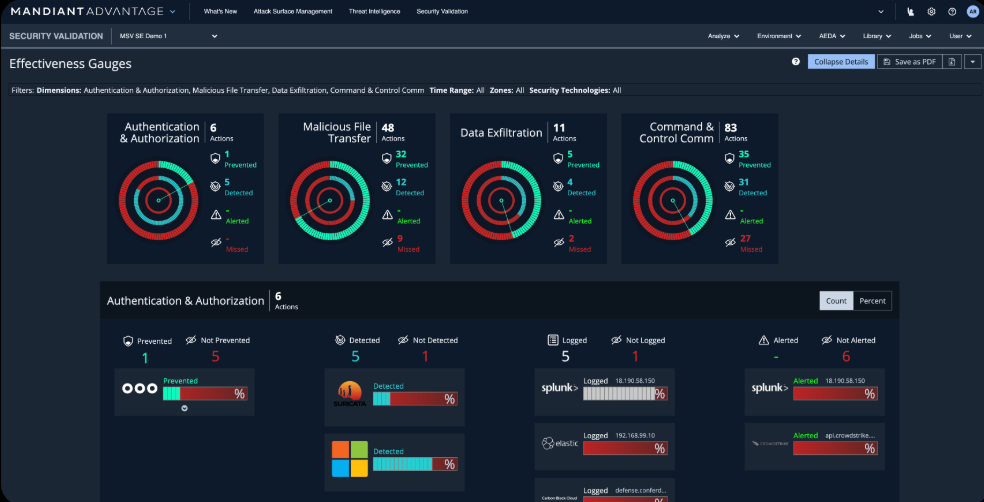
When you are defending against nation-state adversaries, generic testing does not cut it. Mandiant, now part of Google Cloud, runs pen tests informed by real-time attacker tactics pulled from its active global breach response work. That intelligence loop is its defining edge.
No other firm on this list tests with live frontline threat intelligence the way Mandiant does. It serves governments, critical infrastructure, and Fortune 100 organizations facing the highest-stakes threats.
Core Services 🧰
- 🥷 Intelligence-led red team and adversarial simulation
- 🔍 Penetration testing across enterprise environments
- 🛰️ Threat intelligence-informed testing
- 🚨 Incident response and breach remediation
Why Companies Consider Mandiant ✅
Mandiant’s tests reflect TTPs observed in active breach engagements, so findings map to threats that are real right now, not theoretical. Backed by Google Cloud, it carries unmatched credibility for critical infrastructure and government work. For the highest-risk environments, that pedigree justifies the premium.
The honest tradeoff is cost and access. Mandiant is typically the highest price point here, with no self-service tier, and is largely inaccessible to mid-market and SMB buyers. Some observers also note potential culture and flexibility shifts following the Google acquisition, plus long lead times for high-demand advisory work. When speed matters, our incident response team works alongside testing to close gaps fast.
Ideal Customer Profile 👥
Best suited for:
- Governments and critical infrastructure operators
- Fortune 100 organizations facing nation-state risk
- Teams needing intelligence-led, breach-informed testing
Commercial Model 💰
Mandiant uses custom, premium enterprise pricing through Google Cloud sales. There is no public pricing, no credits model, and no self-service option.
When to Shortlist 📌
Shortlist Mandiant when you face advanced, well-resourced adversaries and want testing grounded in live breach intelligence, with budget to match a top-tier premium engagement.
Reviews 💬
“Mandiant’s red team brought real-world attacker context that other firms simply could not. The findings mapped directly to threats we were actually facing.” Verified User, Enterprise Mandiant Gartner Verified Review
“World-class expertise and intelligence, but the premium pricing and long engagement lead times put it out of reach for smaller teams.” Verified User, IT Security Mandiant Gartner Verified Review
Q2: How Did We Select and Score These Penetration Testing Companies?
We scored every vendor across five weighted criteria totaling 100%: Detection-and-Response Integration (25%), Manual Testing Depth and Certifications (25%), Compliance and Report Quality (20%), Pricing Transparency (20%), and Verified Review Reputation (10%). Scores map to stars: 0 to 20 equals 1, 21 to 40 equals 2, 41 to 60 equals 3, 61 to 80 equals 4, 81 to 100 equals 5. UnderDefense earns 5 stars for uniting testing with instant response and transparent pricing.
The Five Criteria We Scored
I have sat through enough vendor pitches to distrust any ranking without a visible rubric. So here is ours, in full.
| Criterion | Weight | What It Measures |
|---|---|---|
| Detection-and-Response Integration | 25% | Does testing tie into live detection and response, or stop at a report? |
| Manual Testing Depth and Certifications | 25% | Share of human-led testing, plus OSCP, CREST, or equivalent tester credentials |
| Compliance and Report Quality | 20% | Coverage of SOC 2, ISO 27001, HIPAA, PCI DSS, and clarity of deliverables |
| Pricing Transparency | 20% | Published rates or clear scoping versus “custom quote required” opacity |
| Verified Review Reputation | 10% | Volume and rating across G2, Clutch, and Gartner Peer Insights |
How Scores Become Stars
We converted each weighted total into a simple 1 to 5 star rating, so a busy reader can scan the verdict in seconds.
| Score (0 to 100) | Star Rating |
|---|---|
| 0 to 20 | ⭐ |
| 21 to 40 | ⭐⭐ |
| 41 to 60 | ⭐⭐⭐ |
| 61 to 80 | ⭐⭐⭐⭐ |
| 81 to 100 | ⭐⭐⭐⭐⭐ |
Why We Weighted Detection So Heavily
Most pen test lists score only how many bugs a firm finds. We weighted detection-and-response integration at a full quarter on purpose. A finding nobody detects in production is paper security, not functional assurance. This is exactly why our MDR service sits at the center of how we evaluate testing.
The data backs this bias. Cobalt’s research found PTaaS is roughly 4x more effective than bug bounties for uncovering issues, largely because findings flow continuously rather than landing in a report weeks later. Continuous feedback only matters if your team can act on it fast, which is where continuous security monitoring earns its weight.
One Honest Disclosure
I will be direct about the conflict. UnderDefense publishes this list, and UnderDefense ranks first. We applied the same rubric to ourselves that we applied to every competitor, and we invite you to throw stones at it. Buy functional assurance you can audit, not a ranking you have to trust on faith.
Q3: What Are Penetration Testing Services and Why Does the Market Matter in 2026?
Penetration testing services are professional offensive engagements where certified ethical hackers simulate real attacks to find exploitable flaws before criminals do. Mature firms follow OWASP, PTES, NIST SP 800-115, and MITRE ATT&CK, and staff OSCP- or CREST-certified testers. With breach costs averaging $4.44 million and the pentest market growing at a double-digit CAGR, testing is now a board-level risk control, not a checkbox.
Pen Test, Vuln Scan, and Red Team Are Not the Same
People mix these up constantly, and the confusion costs money. A vulnerability scan is automated. It lists known weaknesses, but it does not prove anyone can exploit them.
A penetration test is human-led. A skilled tester actually breaks in, chains flaws together, and shows real business impact. A red team goes further still, simulating a specific adversary against your people, process, and tech, often without your SOC knowing.
The Jargon, Defined in Plain English
You will see these acronyms on every vendor site. Here is what they actually mean.
- OWASP (Open Web Application Security Project): a community standard listing the top web app risks.
- PTES (Penetration Testing Execution Standard): a step-by-step methodology for running a test.
- NIST SP 800-115: the US government technical guide for planning and conducting security tests.
- MITRE ATT&CK: a public library of real attacker tactics and techniques.
- OSCP (Offensive Security Certified Professional): a hands-on hacking certification proving a tester can exploit, not just scan.
- CREST: an accreditation body that vets the quality of testing firms and individuals.
Why the Market Matters Right Now
The money tells the story. IBM’s 2025 report put the global average breach cost at $4.44 million, even after the first decline in five years. That is real budget, not a slide-deck scare number.
Demand is climbing to match. One market analysis values penetration testing at $6.41 billion in 2026, growing to $9.95 billion by 2034 at a 7.8% CAGR. The PTaaS slice is growing even faster, projected at a 22.6% CAGR through 2031. For teams planning ahead, our cybersecurity budget guidance puts these numbers in context.
The Chewy Center Problem
Here is the part most testing misses. The old model assumed a hard outer shell kept attackers out. In 2026, you have to assume breach.
Once an attacker is inside, your network is often a soft, chewy center. A 2026 pen test should hunt lateral movement and living-off-the-land tactics, where attackers abuse your own trusted tools. From what surfaces when you actually run these engagements, the perimeter holes are rarely the ones that hurt most. Mapping that exposure is the goal of attack surface management.
Q4: How Do You Choose the Right Pen Testing Partner, From PTaaS vs. Traditional to Pricing and Red Flags?
Choose a pen testing partner by matching the model to your need: PTaaS for continuous, fast-shipping teams, traditional manual testing for deep annual compliance and M&A due diligence. Expect $5,000 to $150,000+ per engagement, around $40,000 to $50,000 on average. Verify OSCP or CREST testers, a manual-led methodology, included retesting, and sample report quality. The biggest 2026 red flag is AI-washing, rebadged scanners sold as autonomous defense.
PTaaS vs. Traditional Testing
Neither model wins outright. The right pick depends on how fast you ship code and what you are trying to prove.
| Dimension | PTaaS (Platform-Based) | Traditional (Consulting) |
|---|---|---|
| Cadence | Continuous, on-demand | Point-in-time, usually annual |
| Speed to start | As fast as 24 hours | Weeks of scoping |
| Findings delivery | Real-time during the test | Final report, often weeks later |
| Best for | Fast-shipping SaaS, CI/CD teams | Deep compliance, M&A due diligence |
| Retesting | Often included | Frequently billed separately |
What Drives the Price
Pen testing pricing has a wide spread, and vague quotes hide a lot. Packetlabs publicly cites engagements from roughly $5,000 to $150,000, with a typical average near $40,000 to $50,000. Scope, depth, and tester seniority move that number more than anything else. For a clear breakdown, see our pentest pricing guide.
A Selection Checklist You Can Reuse
Before you sign anything, run the vendor through this. I have used a version of it on hundreds of evaluations.
- Confirm testers hold OSCP, CREST, or equivalent hands-on certifications.
- Verify the methodology is manual-led, not scan-and-forward.
- Ask whether retesting after fixes is included or billed extra.
- Request a redacted sample report and judge its clarity.
- Check compliance coverage for your frameworks (SOC 2, ISO 27001, HIPAA, PCI DSS).
- Ask how findings reach your team, in real time or only at the end.
- Confirm your SIEM and data stay yours, with no forced tool lock-in.
The Detection Failure Axiom
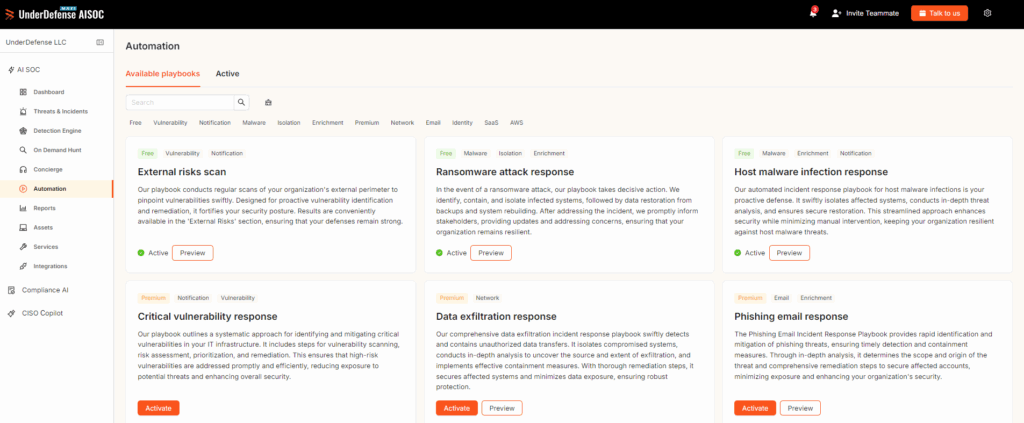
Here is a step most checklists skip. Ask the vendor to test whether your own detection fires. If a pen test runs and your SOC or MDR stays silent, that is a detection failure, not proof of security.
We built UnderDefense around closing that exact gap. We test your stack, then tie findings to live detection and concierge response, so a flaw gets caught and acted on, not just filed in a PDF. That is the core of our UnderDefense Agentic AI SOC platform.
2026 Red Flags to Walk Away From
Some warning signs are louder than others this year.
- ❌ AI-washing: a rebadged scanner sold as “autonomous defense.” Only about 1% of professional pentesters believe AI-only scanning catches high-impact bugs.
- ❌ Automation theater: dashboards that look busy while your team’s workload climbs.
- ⚠️ No audit trail: findings you cannot reproduce or independently verify.
- 💸 Hidden retest fees: charging again to confirm a fix you already paid to find.
- ⚠️ “Custom quote required” with zero scoping transparency.
The switcher economics are real, too. Teams that consolidate bloated, vendor-locked tooling often cut SIEM and licensing bills sharply while keeping data ownership, a pattern we cover in why businesses switch providers. Test that claim before you believe it, including ours.
Q5. What Compliance Frameworks Require Pen Testing, and What Does a High-Quality Report Look Like?
PCI DSS, SOC 2 Type II, ISO/IEC 27001, HIPAA, and GDPR all expect regular penetration testing as due-diligence evidence. A high-quality report leads with a board-readable executive summary, then gives reproducible technical detail, severity ratings, business impact, prioritized remediation, and proof of retesting. The deliverable you want is a report your engineers and your board can both act on.
Which Frameworks Ask for a Pen Test
Most frameworks do not say “run a pen test” in those exact words. They ask for evidence that you test controls on a schedule. A pen test is how you prove it, which is why mapping testing to your compliance program matters from day one.
| Framework | What It Requires | Evidence Needed | Cadence |
|---|---|---|---|
| PCI DSS 4.0 (Req. 11.4) | Internal and external pen tests | Scoped report, segmentation test | Annually, plus after major change |
| SOC 2 Type II | Tested security controls over time | Findings, remediation proof | Annually |
| ISO/IEC 27001 | Technical vulnerability management | Assessment report, retest | Annually or per risk plan |
| HIPAA | Risk analysis of ePHI systems | Evaluation evidence | Periodic, risk-driven |
| GDPR (Art. 32) | Regular testing of security measures | Process evidence | Ongoing |
The Anatomy of a Report You Can Trust
A strong report does two jobs at once. It talks to your board in plain words. It also gives your engineers exact steps to reproduce and fix each flaw, which is the heart of any solid penetration testing report.
Look for these parts: an executive summary, severity ratings, real business impact, prioritized fixes, and proof of retesting. ✅ A verifiable VAPT certificate (vulnerability assessment and penetration testing) closes the loop for auditors.
A Sample Finding, Done Right
Here is what a single clean finding looks like in practice.
Finding: SSRF on public web server (Critical). Impact: attacker stole cloud credentials, then enumerated S3 buckets. Remediation: move app to private subnet, rotate keys, restrict IAM role. Status: fixed and retested, closed.
This is exactly the kind of chain we have walked clients through in real incident response engagements.
When Behavioral Monitoring Beats the Checkbox
I want to share a real case, because checkbox testing alone gives a false sense of safety. We ran incident response for a Ukrainian government org running Zimbra mail. Top-tier tools were already installed.
The attackers worked only at night to dodge detection. They planted more than 20 backdoors. One command-and-control tool was clean on every antivirus engine and on the EDR. Our analysts found it manually, by reading logs and behavior, not by trusting a green dashboard. This is the same edge our MDR service brings to live monitoring.
That is the lesson. Tools detect patterns; people catch the edge cases that hurt. Clients tell us the same thing in their reviews.
“The issues they found were unique, so you know they were not just using tools to test, they got in and really found some edge case issues that other penetration testers have not.” VP, Security and Compliance, Legal Tech Company UnderDefense Clutch Verified Review
“UnderDefense delivered a clear detailed report with issues and how to fix them. I found their team very professional and effective in their pentest approach.” Manager of IT Services UnderDefense Gartner Verified Review
My current read: a report that maps cleanly to your framework and proves retesting is worth more than a thicker PDF nobody acts on.
Q6. Why Is Detection and Response the Missing Half of Pen Testing in the Agentic-AI Era?
A pen test proves a door can be opened; it does not prove anyone noticed. In 2026, agentic attackers compress the attack cycle to minutes, so a finding nobody detects in production is a detection failure, not a clean result. Testing must now cover AI agents and shadow AI, tools like Cursor and Copilot running with no audit trail, and pair findings with an AI SOC plus human analysts.
The Standard Read Gets This Backwards
Most “best pentest” lists stop at the report. You get a PDF, you fix some bugs, you file it for the auditor. That is half a job.
Here is the question almost nobody asks. When the same attack runs in production next month, will anyone see it? If not, your clean pen test hid a detection failure that a true SOC service would have caught.
The Detection Failure Axiom
Think about the attacker’s loop: observe, decide, act. Agentic AI now runs that loop in minutes, not days. The skill barrier has collapsed, so more people can launch real attacks.
I have watched this live. In our own demo, an attacker stole cloud keys through a simple flaw. AWS native services took 18 minutes to flag the unusual behavior. In 18 minutes, an agent can already be deep inside.
Shadow AI Is the New Soft Center
The new blind spot is AI in your dev environment. Developers run Cursor, Copilot, and autonomous agents that write and ship code. Much of it has no audit trail.
This is greenfield risk that legacy MDR ignores, and it is exactly what our MDR for AI was built to cover. ⚠️ You cannot test only the perimeter when the agent already lives inside your IDE.
The Real KPI Is Speed to Triage
A pen test gives you a snapshot. Detection and response give you the movie. The metric that matters is how fast a real alert turns into action, which is where clear SLAs in cybersecurity earn their keep.
- ⏰ Triage in minutes, not days, so noise does not bury the real signal.
- ✅ Fast escalation to a human who knows your business context.
- ✅ Heavy noise reduction, so analysts chase real threats, not false alarms.
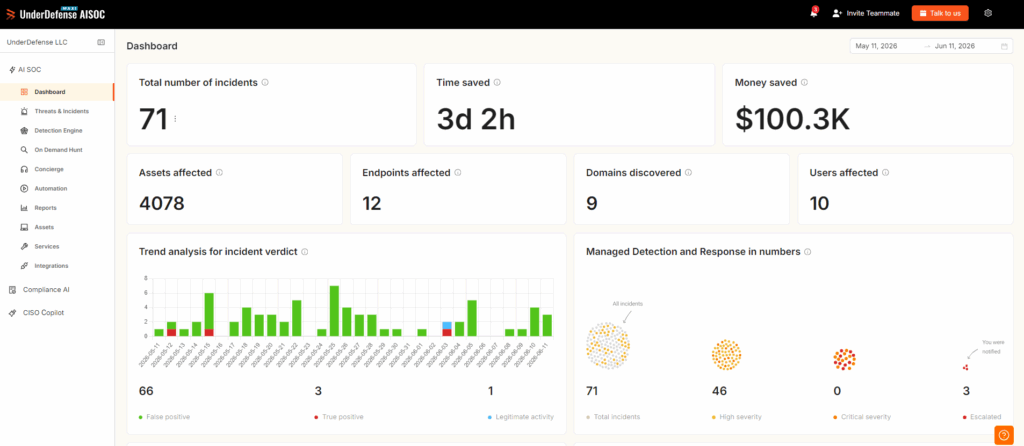
We built our UnderDefense Agentic AI SOC platform around this. The AI handles routine triage at machine speed, with a 2-minute Alert-to-Triage and a 15-minute escalation for critical incidents. Our analysts keep the final verdict, because automation alone misreads context.
The Iron Man Model
I think of it like a fighter pilot or a high-frequency trading desk. The machine reacts fast. The human owns the call when stakes are high.
AI on its own gets a meaningful share of alerts wrong. A skilled analyst with AI support is far stronger than either alone. That pairing, not the scanner, is what closes the loop. We explore this tension further in our take on whether AI kills or saves your SOC.
My open question for the next 18 to 24 months: as agents write more of our code, who watches the agents? That is the test we should all be scoping now.
Q7. Which Penetration Testing Partner Is Right for Your Team?
Match the partner to your profile: enterprise and critical infrastructure lean NetSPI, Mandiant, or Synack; compliance-driven mid-market fits Cobalt, Packetlabs, or BreachLock; SMBs fit Astra or Qualysec. But if you want testing that is detected and responded to, not just reported, with vendor-agnostic integration and transparent pricing, start with UnderDefense.
Not Sure What Your Pentest Should Cost? Find Out
Scenario-to-Vendor Mapping
| Your Profile | Best-Fit Vendors | Why |
|---|---|---|
| Enterprise, critical infrastructure | NetSPI, Mandiant, Synack | Deep manual testing, scale, brand trust |
| Compliance-driven mid-market | Cobalt, Packetlabs, BreachLock | PTaaS speed, audit-ready reports |
| SMB, fast-moving | Astra, Qualysec | Lower cost, quick turnaround |
There is no single best vendor. There is a best fit for your size, your stack, and your goal.
From Report to Outcome
Before: you buy a pen test, get a PDF, and hope your team detects the same attack later. The gap between test and response is where breaches live.
After: testing ties directly to live detection and a human analyst who acts. We onboard in about 30 days and ping your users directly over ChatOps to verify suspicious activity, not just toss you an alert. For teams still weighing build versus buy, our breakdown of outsourced versus in-house SOC helps frame the call.
Clients describe the difference in their own words.
“UnderDefense delivered high-quality penetration testing. The report was informative and generated useful business insights. They also provided us with a free consultation and remediation testing afterward.” Founder, CTO, IT Services UnderDefense Gartner Verified Review
When you are ready to scope an engagement, send us your targets and we will scope a pen test tied to live detection with transparent pricing, no black-box reports.
1. What are penetration testing services, and how do they differ from a vulnerability scan?
Penetration testing services are offensive engagements where certified ethical hackers simulate real attacks to find and exploit weaknesses before criminals do.
The distinction we draw matters commercially. A vulnerability scan is automated and lists known weaknesses, but it never proves anyone can exploit them. A real pen test is human-led: a skilled tester actually breaks in, chains flaws together, and demonstrates business impact.
We follow recognized methodologies like OWASP, PTES, NIST SP 800-115, and MITRE ATT&CK, and we staff OSCP- or CREST-certified testers.
Here is the part most buyers miss. A finding nobody detects in production is paper security, not functional assurance. That is why we tie our penetration testing services back to live detection and response, so an opened door is also a noticed one.
You get an executive summary your board can read, plus reproducible technical detail your engineers can fix, with free remediation retesting to close the loop.
2. How much do penetration testing services cost in 2026?
Pen testing pricing has a wide spread, and vague quotes hide a lot.
Across the market, engagements typically run from roughly $5,000 to $150,000, with a commonly cited industry average near $40,000 to $50,000. Packetlabs publicly benchmarks its work in that $40,000 to $50,000 band, and clients have reported SaaS application testing with us in the $25,000 to $50,000 range.
Three factors move the number more than anything else: scope (how many apps, networks, and environments), depth (manual-led versus scan-and-forward), and tester seniority.
We publish transparent pricing rather than hiding behind “custom quote required,” and every pen test includes a free remediation retest. For a full breakdown of what drives the figure, see our pentest pricing guide.
Our advice to CFstomers evaluating bids: treat any “custom quote” with zero scoping transparency as a red flag, and confirm whether retesting is bundled or billed separately before you compare line items.
3. Which are the best penetration testing companies in 2026?
The strongest providers we evaluated are UnderDefense, Cobalt, NetSPI, Bishop Fox, Synack, HackerOne, Rapid7, Packetlabs, BreachLock, Astra Security, Qualysec, and Mandiant.
There is no single winner for everyone. The right pick depends on your size, stack, and goal:
-
Enterprise and critical infrastructure lean toward NetSPI, Mandiant, or Synack.
-
Compliance-driven mid-market fits Cobalt, Packetlabs, or BreachLock.
-
SMBs are well served by Astra or Qualysec.
We rank UnderDefense first for buyers who want testing tied to instant detection and response, vendor-agnostic integration, and pricing they can defend to a board.
We scored every vendor against a visible rubric rather than popularity, and we explain that methodology fully in our best penetration testing companies guide.
One honest disclosure: we publish this list and we rank ourselves first, but we applied the same five criteria to UnderDefense that we applied to every competitor.
4. What is the difference between PTaaS and traditional penetration testing?
Neither model wins outright. The right choice depends on how fast you ship code and what you are trying to prove.
PTaaS (Pentest as a Service) is platform-based and continuous. Tests can start in as little as 24 hours, findings stream in real time, and retesting is often included. It suits fast-shipping SaaS and CI/CD teams that need continuous compliance evidence.
Traditional consulting testing is point-in-time, usually annual. It involves deeper scoping and a final report delivered weeks later. It fits deep compliance work and M&A due diligence where a named consultant and exhaustive depth matter most.
A practical rule: if your developers ship weekly, a once-a-year test is stale by February.
Where we add value is closing the gap between either model and actual response. A test surfaces a flaw; our MDR service makes sure the same attack is detected and acted on in production, not just filed in a PDF.
5. Which compliance frameworks require penetration testing?
Most frameworks do not say “run a pen test” in those exact words. They require evidence that you test controls on a schedule, and a pen test is how you prove it.
The major ones:
-
PCI DSS 4.0 (Req. 11.4): internal and external pen tests, annually and after major change.
-
SOC 2 Type II: tested security controls over time, with findings and remediation proof.
-
ISO/IEC 27001: technical vulnerability management, annually or per your risk plan.
-
HIPAA: periodic, risk-driven evaluation of systems handling ePHI.
-
GDPR (Article 32): regular testing of security measures on an ongoing basis.
A verifiable VAPT certificate (vulnerability assessment and penetration testing) closes the loop for auditors.
We map testing directly to your framework obligations from day one, which is why teams preparing for audits fold our cybersecurity compliance services into the same engagement as the test itself.
6. What does a high-quality penetration testing report look like?
A strong report does two jobs at once. It speaks to your board in plain language, and it gives your engineers exact steps to reproduce and fix each flaw.
Look for these parts:
-
An executive summary leadership can act on
-
Severity ratings tied to real business impact
-
Prioritized, specific remediation guidance
-
Proof of retesting after fixes
-
A verifiable VAPT certificate for auditors
Here is a sample finding done right. Finding: SSRF on a public web server (Critical). Impact: an attacker stole cloud credentials, then enumerated S3 buckets. Remediation: move the app to a private subnet, rotate keys, restrict the IAM role. Status: fixed, retested, closed.
That closed-loop status line is what separates assurance from a PDF that ages on a shelf.
If you want a head start on structure, our penetration testing report template and guide shows exactly how we format deliverables that engineers and boards both use.
7. Why should penetration testing be tied to detection and response?
A pen test proves a door can be opened. It does not prove anyone noticed.
In 2026, agentic AI compresses the attacker’s observe-decide-act loop to minutes, and the skill barrier to launch real attacks has collapsed. In one of our own demos, an attacker stole cloud keys through a simple flaw, and AWS native services took 18 minutes to flag the unusual behavior. In 18 minutes, an agent can already be deep inside.
So a “clean” pen test can quietly hide a detection failure. The metric that actually matters is how fast a real alert becomes action.
Our UnderDefense MAXI platform handles routine triage at machine speed, with a 2-minute Alert-to-Triage and a 15-minute escalation for critical incidents, while our analysts keep the final verdict.
A new blind spot is shadow AI in your dev environment, tools like Cursor and Copilot shipping code with no audit trail. Testing the perimeter alone is not enough when the agent already lives inside your IDE.
8. How do we choose the right penetration testing partner?
Match the partner to your profile first, then run every shortlisted vendor through a consistent checklist.
By profile: enterprise and critical infrastructure lean NetSPI, Mandiant, or Synack; compliance-driven mid-market fits Cobalt, Packetlabs, or BreachLock; SMBs fit Astra or Qualysec.
Then verify, in order:
-
Testers hold OSCP, CREST, or equivalent hands-on certifications.
-
The methodology is manual-led, not scan-and-forward.
-
Retesting after fixes is included, not billed extra.
-
A redacted sample report is clear and reproducible.
-
Compliance coverage matches your frameworks.
-
Findings reach your team in real time, not only at the end.
-
Your SIEM and data stay yours, with no forced tool lock-in.
The biggest 2026 red flag is AI-washing: a rebadged scanner sold as autonomous defense.
When you are ready, we will scope a pen test tied to live detection with transparent pricing and no black-box reports.