




If you run a SOC, design detections, or make risk decisions for your business, this article is written for you. It explains:
- why the way we interact with security tools matters as much as the tools themselves,
- how AI is changing that interaction,
- and what practical benefits you can expect when your SOC starts speaking human.
The SOC That Talks Back
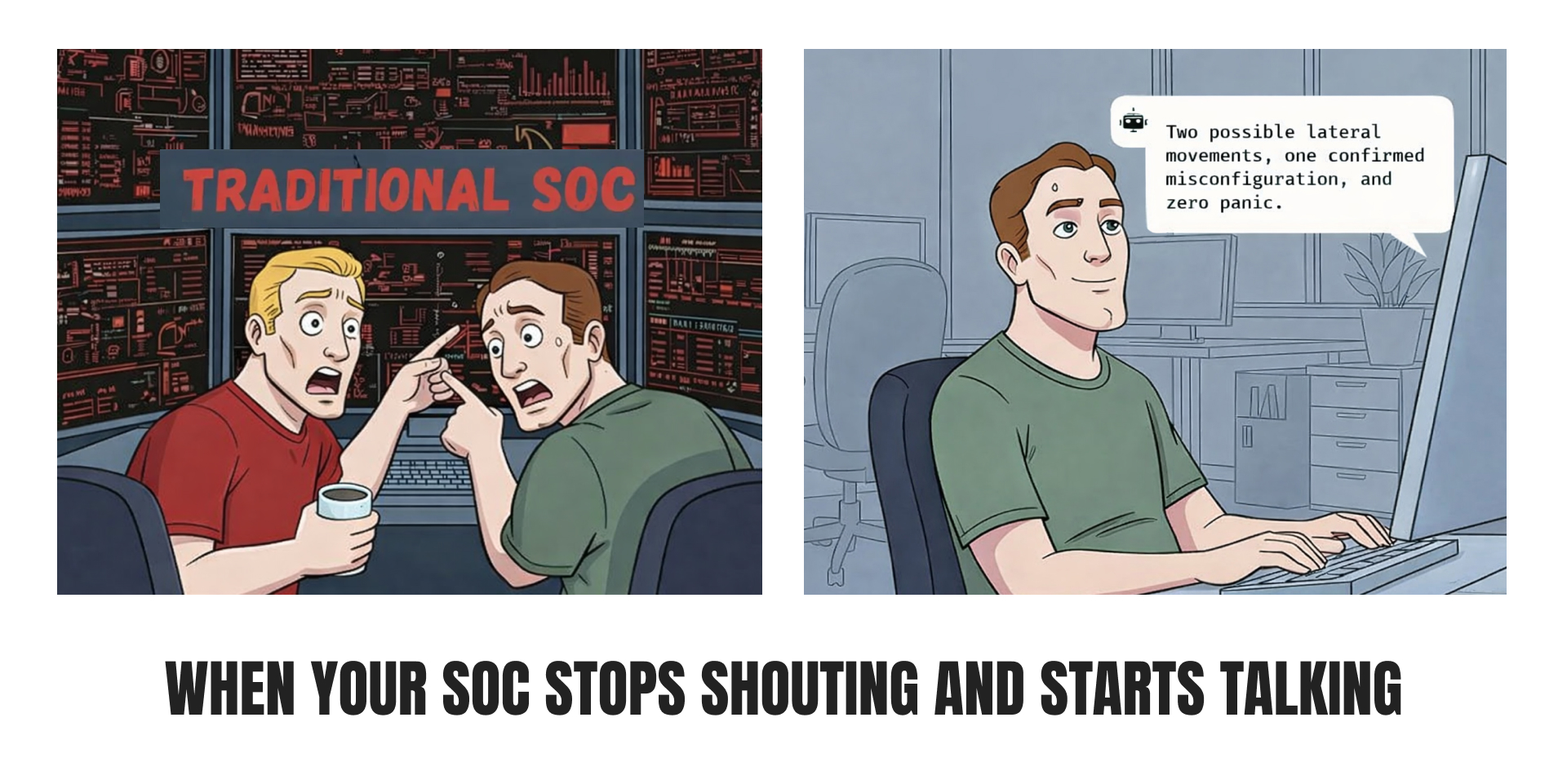
It is 3 a.m. A notification pops into your security workspace. Not the kind of escalation that spikes adrenaline – a different message entirely:
“Morning brief ready. Analyzed 2,847 events overnight. Two incidents require attention: one lateral movement attempt in the finance subnet, one AWS misconfiguration exposing customer data. Contextualized and triaged. Coffee first?”
This is not a dream scenario, but the logical endpoint of a transformation already underway across security operations centers: a SOC that talks back.
Imagine asking your SOC, not a bleary night-shift analyst but the SOC itself, “Which alerts matter most today?” and getting a concise, evidence-based answer in seconds. Not a dashboard that you must decode. Not a SIEM query whose syntax you need to remember. Just a human response that cuts through noise and delivers action.
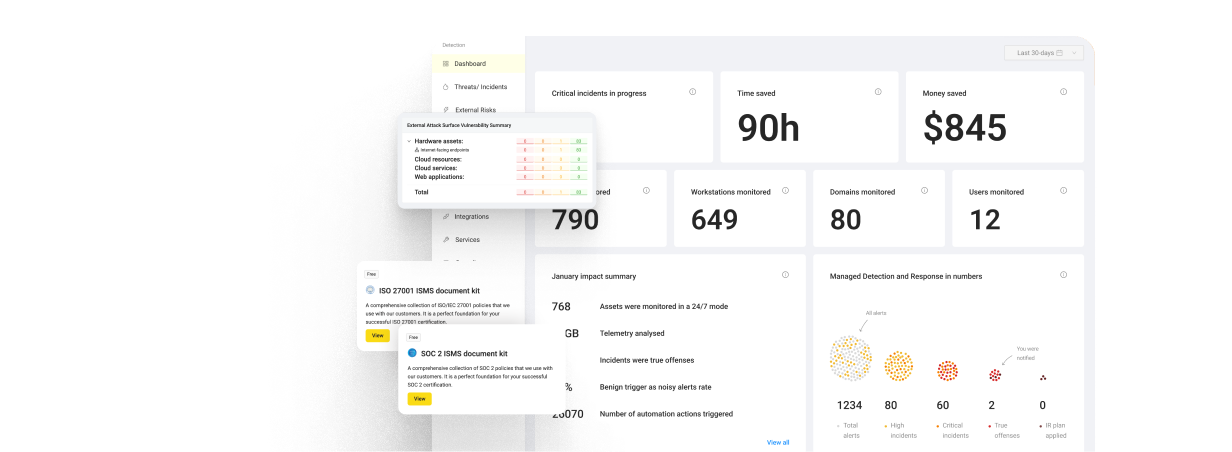
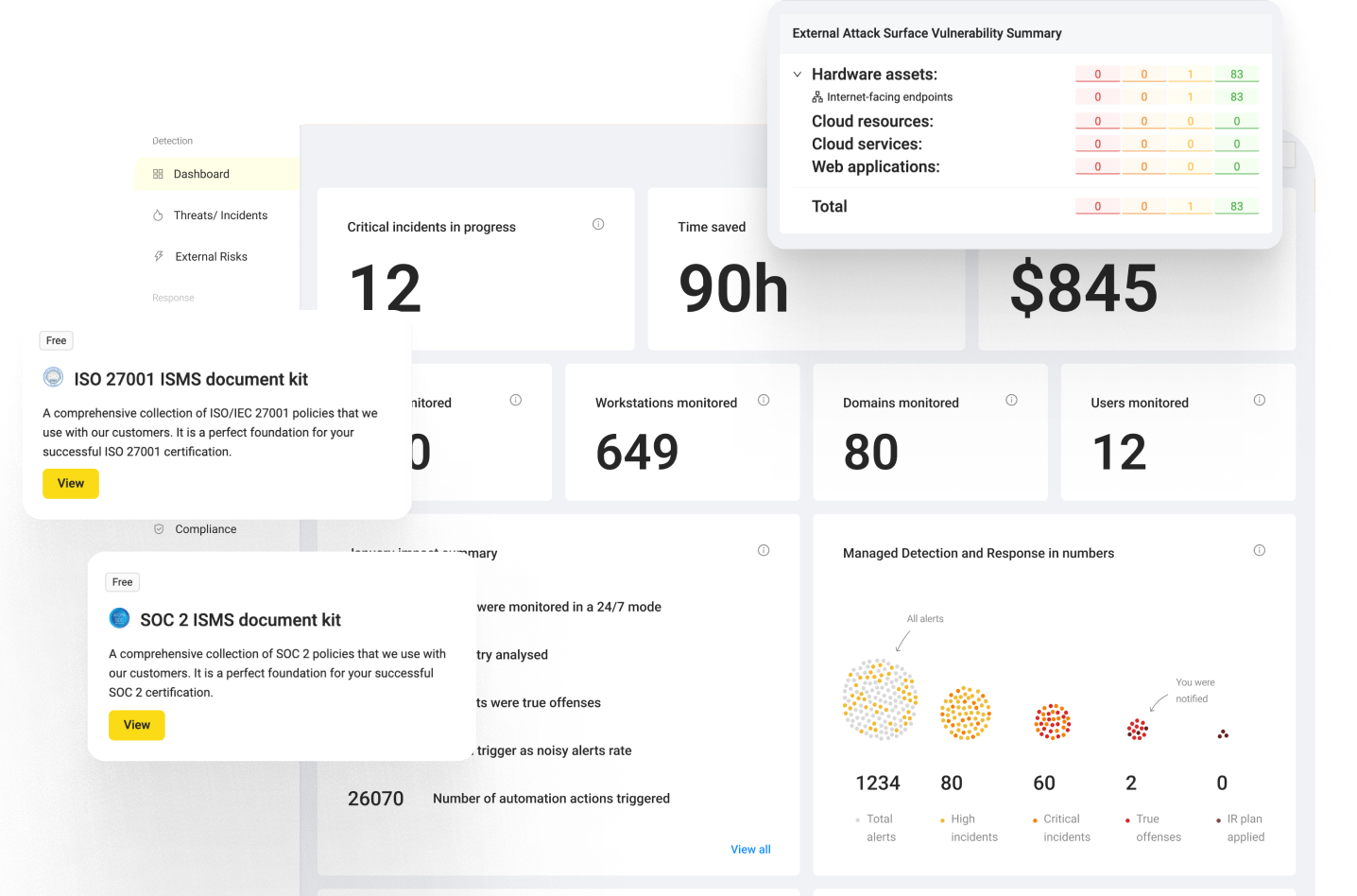
Today’s SOCs still speak machine: dashboards packed with widgets, query languages that require specialists, and playbooks that break when reality deviates. Tomorrow’s SOCs will speak human, and they will do so without trading depth for speed.
To understand why a conversational SOC is possible (and necessary), we need to look at what currently gets in the way of clear, fast decisions.
The Language Barrier in Cybersecurity
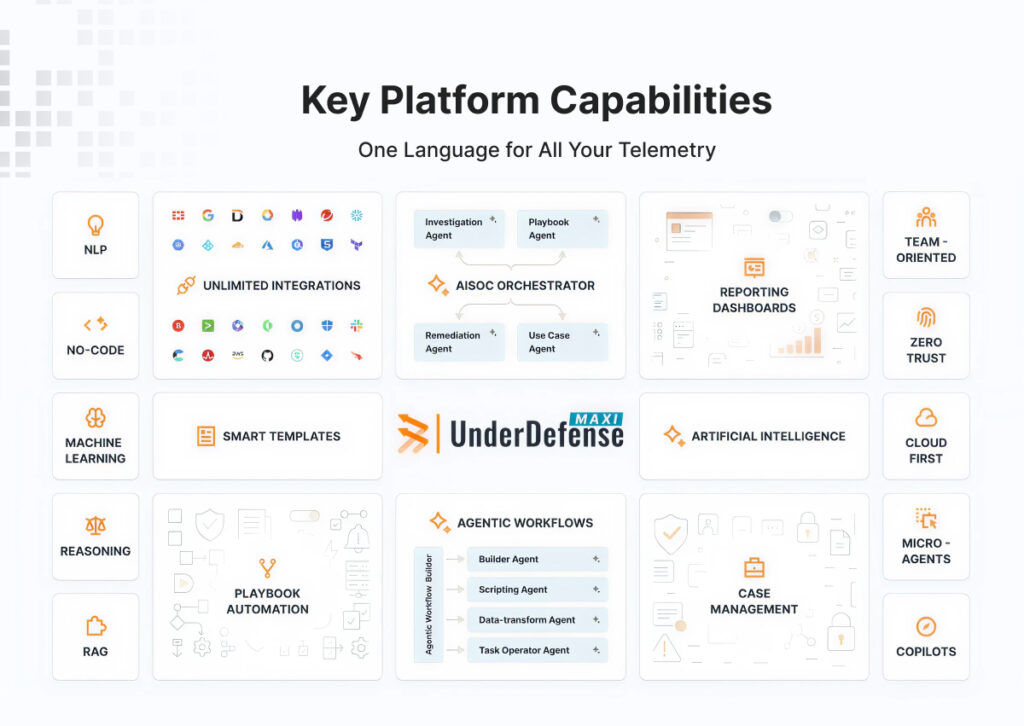
Security tools don’t speak the same language as human judgment. Analysts spend their days translating between SIEM rules, EDR telemetry, cloud consoles, threat feeds, and ticketing systems – each with its own data model and query syntax. That cognitive overhead turns expert judgment into being a human API.
The next breakthrough won’t be more telemetry – it will be better language. A unified conversational layer lets AI agents interpret diverse data, apply decision logic, and explain findings in human terms. Ask, “Show privileged accounts that accessed sensitive data outside business hours last week,” and you get context-aware results – correlated alerts, relevant threat intel, and a concise analyst-style summary, not raw logs.
By collapsing translation overhead, conversational SOCs let people focus on what matters: adversary intent, business risk, and hard judgment calls.
Once you accept that translation is the hidden tax on analyst time, the next weakness becomes obvious: our operational logic.
From Playbooks to Reasoning Loops
Traditional playbooks are inherently brittle — they assume predictable conditions and follow rigid if X, then Y logic. That works for routine tasks like password resets or IOC enrichment, but it collapses when attackers improvise or when context shifts in ways the author never anticipated.
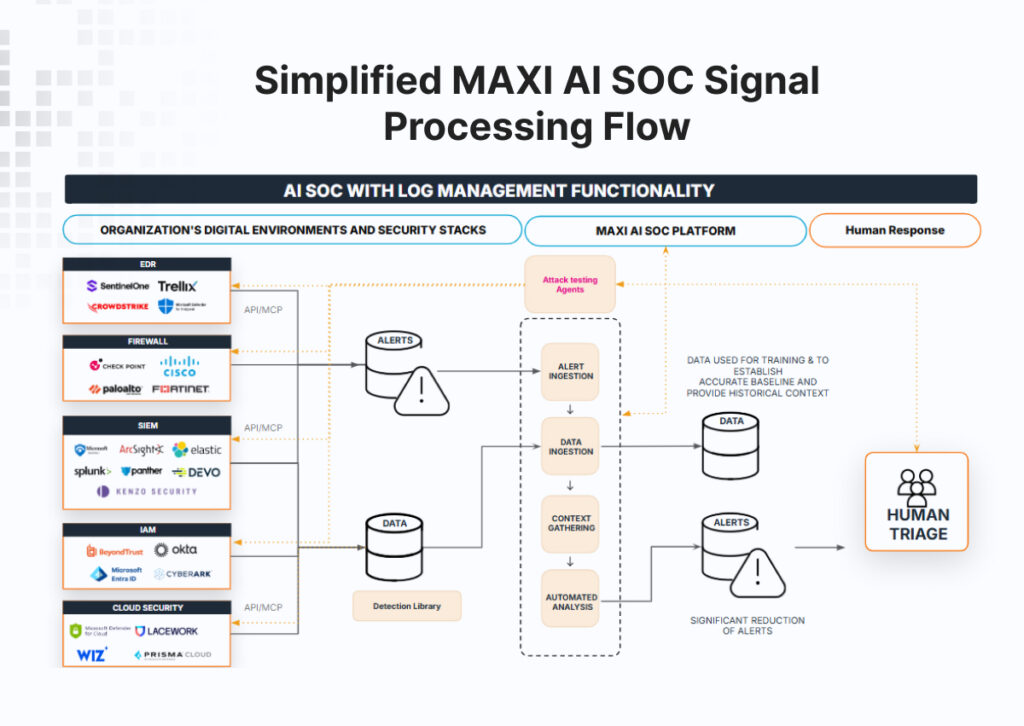
Reasoning-driven systems work differently. They ingest an alert, gather context, correlate across sources, apply threat intel, and form hypotheses. Instead of launching a fixed workflow, they begin a dynamic investigation: who triggered the alert, what else they’ve done, what evidence is missing, and what conclusions the current data supports.
Only then do they pull in a human: “Here’s what I know, here’s what I think, here’s where I’m uncertain — what’s your call?”
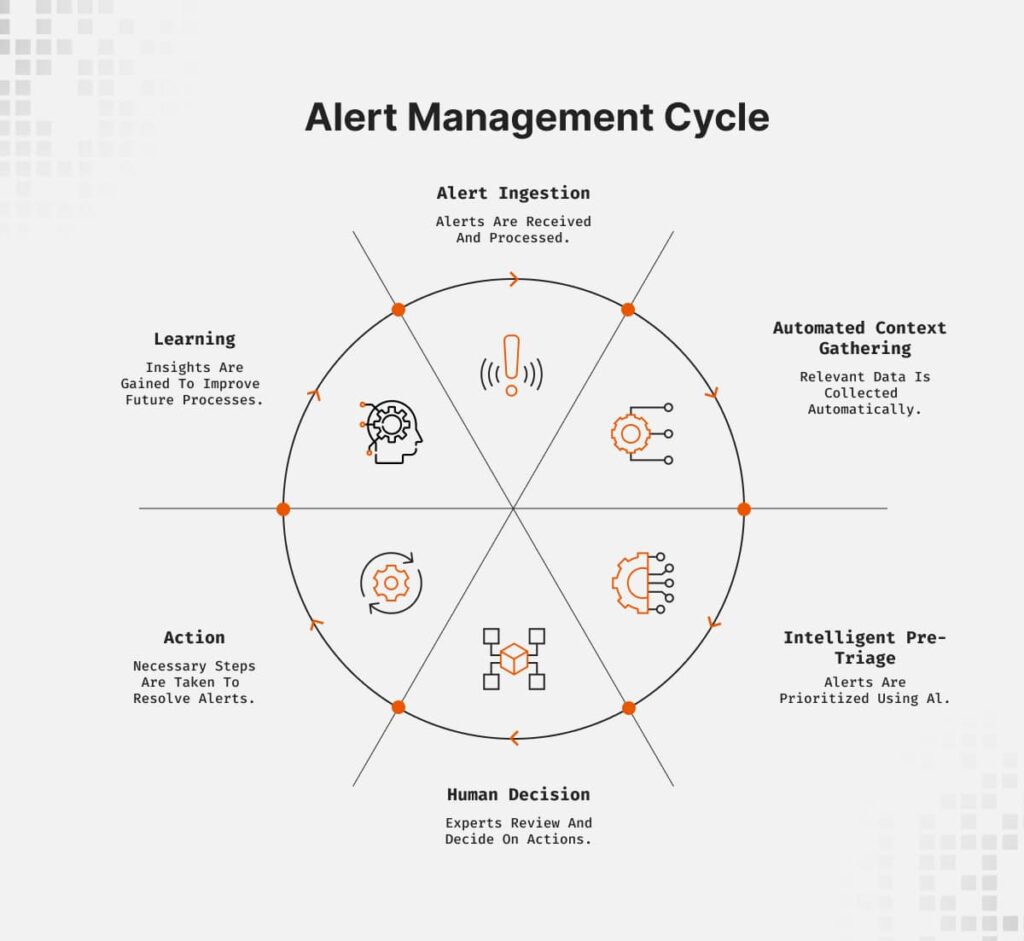
This is continuous, context-aware operations: adaptive, collaborative, and always learning from human decisions to strengthen the next investigation.
Reasoning loops give us a richer internal process, but the value multiplies when that reasoning is exposed as a shared conversation. That’s where ChatOps evolves from scripted tasks into a live collaboration layer.
Where Work Meets Conversation
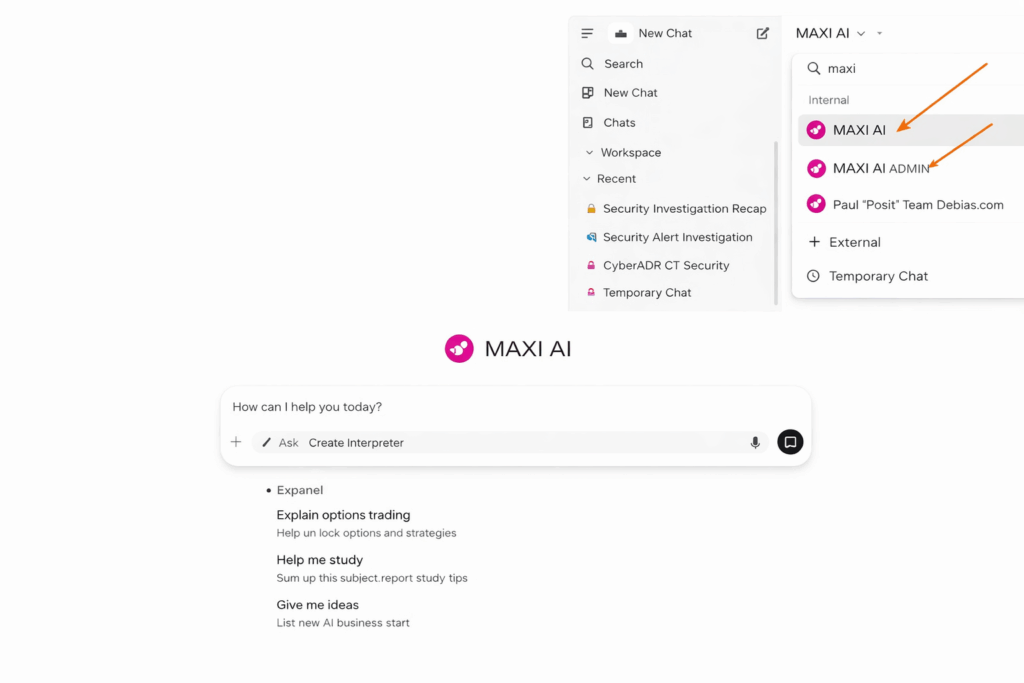
ChatOps used to mean Slack bots running prewritten scripts. That helps, but it barely taps the power of AI agents, natural-language understanding, and human oversight in a shared workspace. The future of SOC operations won’t be a better dashboard – it will be a conversation. An analyst can start the day by asking, “What happened overnight?” and get a concise narrative that explains the few incidents that matter, their context, and which require immediate action.
If an authentication anomaly appears, the analyst asks, “Was that legitimate?” The system answers with reasoning: unusual IP in Poland, a prior travel request, successful MFA, short read-only session – likely legitimate but flagged for review. The analyst can then drill down (“Show access from that IP last month”) or pivot (“Any other privileged accounts with similar anomalies?”). LLMs, chained reasoning, and secure real-time data integration are converging – the conversational SOC is already moving from concept to practice.
Conversation scales capability, but it also raises the stakes: decisions remain social and contextual. That’s why human judgement becomes the beating heart of a new workflow where AI handles toil and humans handle responsibility.
The Human-in-the-Loop Renaissance
AI won’t replace security analysts – it elevates them. Full automation sounds attractive, but cybersecurity is adversarial and entwined with business judgement; fully automated responses become targets attackers can probe, and many decisions (risk tolerance, whether to disrupt production) require human accountability.
AI’s real value is removing mechanical toil so analysts apply expertise where it matters. It excels at:
- correlation – holding vast context and spotting subtle patterns across millions of events;
- evidence gathering – querying many sources in parallel and summarising results;
- pattern recognition – learning what “normal” looks like and flagging deviations.
Judgement – assessing adversary intent or deciding to isolate systems during business hours – remains human. The optimal architecture is collaboration: AI prepares well-structured options, investigates, and develops hypotheses; analysts provide judgment, take responsibility, and steer response.
That human triage node is where expertise meets evidence, accountability lives, and the SOC stays adaptive and aligned with organisational needs.

What This Means for the Next Decade of SecOps
Over the next decade, SecOps will reorganize around conversation rather than dashboards. Expect these shifts:
- Interfaces become collaborative workspaces where analysts and agentic AI co-investigate in natural language.
- Detection is treated like code: versioned, reviewed, tested, and continuously refined.
- Roles blur: detection engineers and SOC analysts co-create conversational detections and reasoning frameworks.
- Contextual reasoning becomes the competitive moat – telemetry will be similar everywhere; the difference is how you interpret and act on it.
The enabling tech (LLMs, reasoning engines, secure multi-source integration, agentic workflows) is largely ready; the work now is integration, discipline, and adoption.
Some organisations already ask their SOCs plain-English questions and investigate by conversation. The rest will catch up.
Is your SOC still talking in logs, or starting to think in context?
Need help now?
UnderDefense’s Security Team is available 24/7. Immediate triage, containment, and forensic assistance.
FAQs
1. What exactly is a "Conversational SOC"?
A Conversational SOC marks a shift from interacting with security tools via complex dashboards and specialized query languages (machine-speak) to interacting through natural language (human-speak). Instead of an analyst manually correlating data across multiple silos, they can ask the SOC questions directly – such as “What happened overnight?” – and receive a concise, evidence-based narrative.
2. How is a conversational SOC different from traditional security playbooks?
Traditional playbooks are brittle; they follow rigid “if X, then Y” logic that often breaks when an attacker improvises. In contrast, conversational SOCs use reasoning loops. These systems:
- Ingest alerts and gather context dynamically.
- Form and test hypotheses.
Present findings to humans with an explanation of why a certain conclusion was reached, rather than just following a pre-written script.
3. Does a conversational SOC mean AI is replacing security analysts?
No. The blog highlights a “Human-in-the-Loop Renaissance.” AI is designed to handle the mechanical toil – such as querying multiple sources, spotting patterns in millions of events, and gathering evidence. This frees human analysts to focus on what they do best: applying high-level judgment, assessing adversary intent, and making complex risk decisions that require accountability.
4. What is the "Language Barrier" in current cybersecurity operations?
Currently, analysts act as “human APIs,” spending significant time translating data between different tools (SIEM, EDR, Cloud consoles), each with its own syntax. A conversational SOC collapses this translation tax by providing a unified layer where AI interprets diverse data models and presents them in plain English, allowing the team to focus on the threat rather than the tool.
5. Is the technology for a conversational SOC actually ready today?
Yes. The underlying technologies – Large Language Models (LLMs), reasoning engines, and secure real-time data integration – are already available. While the industry is still in the early stages of adoption, some forward-thinking organizations are already moving away from static dashboards and investigating incidents through conversational interfaces.