







Disclaimer: The scenarios and examples in this article are illustrative and may be fictional. They do not represent actual events or individuals.
My journey through countless penetration tests has taught me one invaluable lesson:
In this analysis, I’ll share my personal experiences and some compelling stories that highlight the power of social engineering in penetration testing to achieve 98% of successful mission execution through our engagements. We’ll dive into how the UnderDefense Pentest team and our UnderDefense MAXI platform help organizations fortify their defenses against these human-targeted attacks.
My First Project: Over 80% of the employees fell for the ruse
We’ll never forget our first major breakthrough using social engineering. It happened during a penetration test for a mid-sized financial firm. We decided to test a tactic we had been developing for a while, one that blended urgency and authority. We crafted an email that appeared to come from the company’s CFO, detailing a critical security update that required immediate action. The email warned of a potential data breach and instructed employees to download a security patch from a provided link.
The twist? The link led to a cloned version of the company’s internal portal, designed to harvest login credentials.
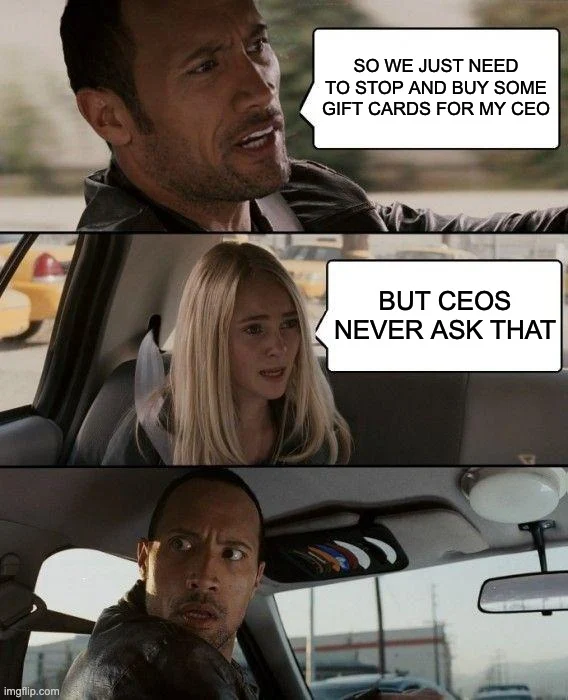
We monitored the responses with bated breath the day we sent the email. Within minutes, the first few employees clicked on the link. By the end of the day, over 80% of the employees, including several high-ranking executives, had fallen for the ruse. They clicked the link and entered their usernames and passwords without hesitation.
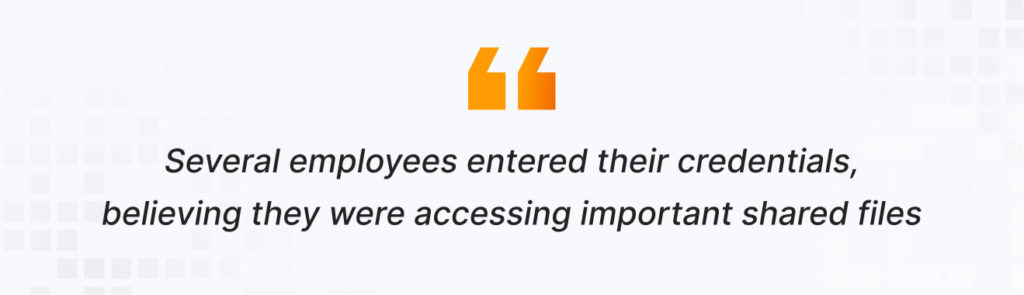
One employee’s response particularly stood out.
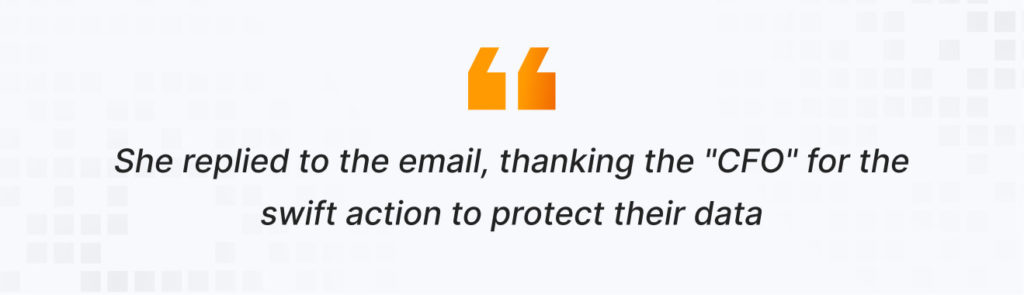
This reinforced the notion that people tend to trust messages from authority figures, especially when presented with a sense of urgency.
This experience was eye-opening. It demonstrated just how powerful and effective social engineering can be. It wasn’t just about technical prowess but about understanding human psychology and leveraging it to achieve our goals. This success didn’t just bolster our confidence; it solidified our belief in the necessity of robust employee training and awareness programs to combat such vulnerabilities.
From then on, we knew social engineering would be a cornerstone of our penetration testing toolkit. The lessons learned from this encounter have been invaluable, driving home the importance of vigilance, skepticism, and the continuous education of employees to recognize and resist social engineering attacks.
Cases:
Scenario 1: Devs trust GitHub and are keen to solve problems…but
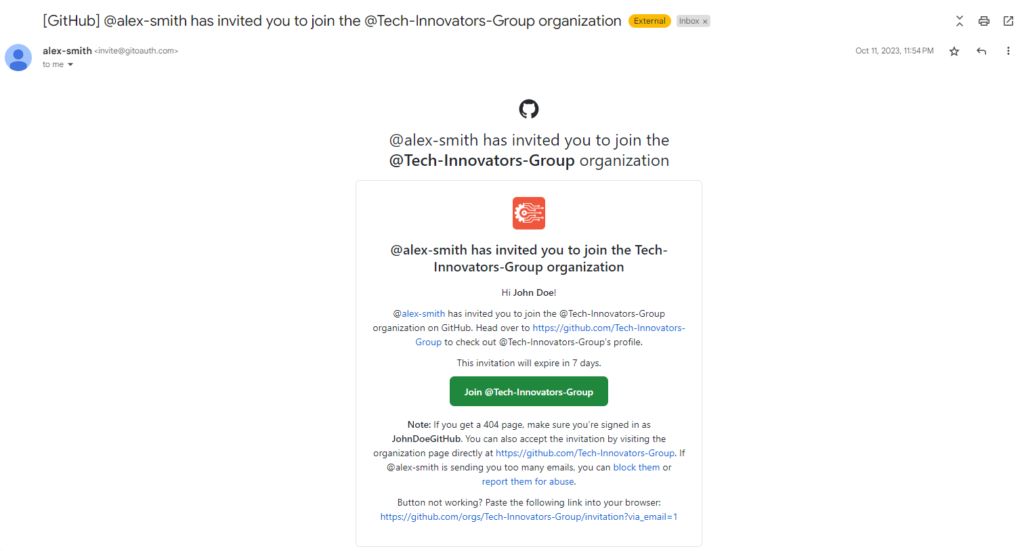
This case is my favorite. In one of my first campaigns, we targeted a pre-IPO technology company using a sophisticated phishing attack. Our team meticulously crafted emails that mimicked invitations from GitHub, prompting users to join an internal organization.
We replicated the GitHub invitation email with such precision that even seasoned developers were convinced. The emails came from the company’s CEO, inviting recipients to join an internal organization on GitHub. The email included personalized content, addressing the target by name and urging them to click the “Join Organization” button. It also mentioned a 7-day expiration for the invitation and provided troubleshooting notes to add an extra layer of perceived legitimacy.
As employees clicked the link, they were taken to a fake GitHub login page that was a perfect replica of the real one. Several employees, trusting the source, entered their usernames and passwords.
Within hours, multiple employees had fallen for the trap. This allowed us unauthorized access to private repositories containing sensitive project data and intellectual property. The breach compromised current projects and gave us insights into upcoming developments, potentially risking the company’s future plans.
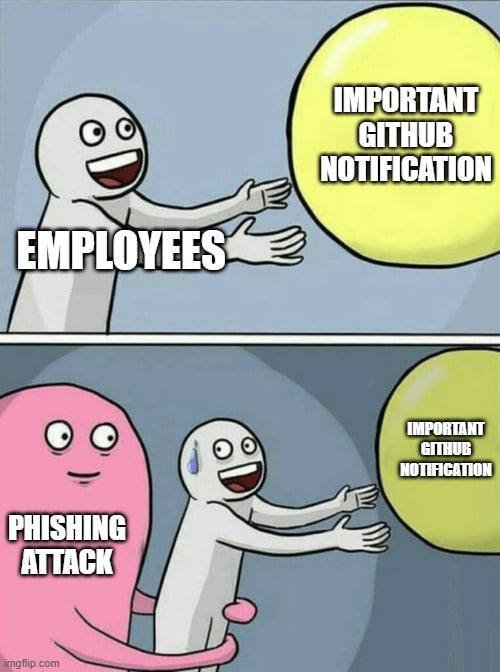
The success of this attack highlighted a critical vulnerability: the trust employees place in familiar platforms and the importance of educating them about verifying the authenticity of such requests. This case underscored the necessity for continuous vigilance and robust employee training to recognize and report phishing attempts.
Scenario 2: Exploiting OneDrive – Nice and Stable
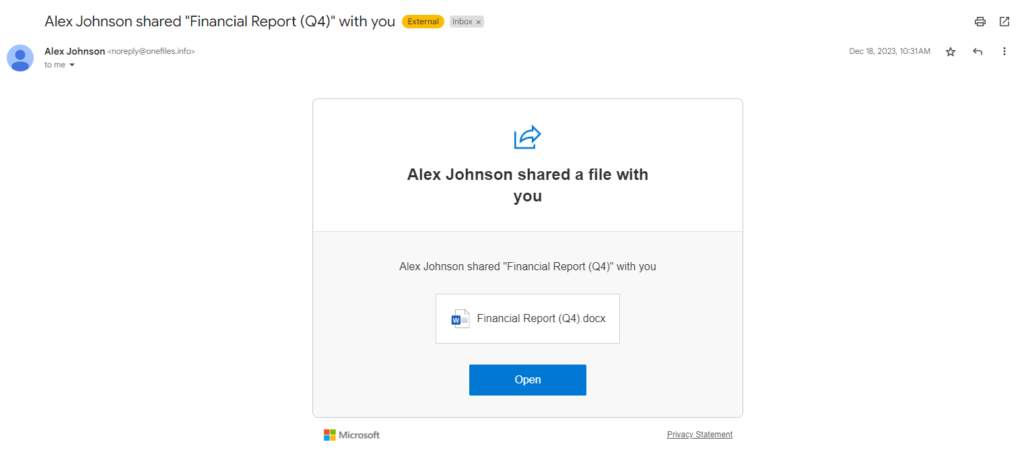
Another striking example involved a phishing campaign targeting employees at a financial services firm. We crafted emails that appeared to come from OneDrive, complete with corporate branding and language mirroring Microsoft’s communication style. The emails prompted users to log in via a link to access shared documents requiring urgent attention.
The link directed recipients to a counterfeit OneDrive login page. To add an extra layer of authenticity, we included details like recent document names and shared contacts, making the email seem even more convincing.
This granted us access to the company’s OneDrive storage, revealing a treasure trove of corporate data, including financial records, confidential client information, and strategic planning documents. The breach exposed sensitive information that could have severe financial and reputational repercussions for the firm.
This case emphasized the critical importance of employee training in phishing recognition. Despite the firm’s technical defenses, the human element was the weak link. It demonstrated that employees could easily fall prey to well-crafted social engineering attacks without regular training and simulated phishing exercises.
To Err is Human: How to Fight Social Engineering Attacks
We must teach IT staff about the latest dangers to fight social engineering bombardment and push for helpful complementary security awareness training platforms like KnowBe4. Although KnowBe4 empowers employees at organizations to make smarter security decisions, I can assure you that this solution alone might not solve all security issues. Why? Because they mostly perform in siloed environments and are managed internally.
Historically, organizations only react to what has already happened because they do not believe it can happen to anyone. Proactive preparation for potential attacks is on the verge of fiction, but if businesses long for proactive methods, they tend to draw a finish line after the security awareness training is over.
If you are still debating whether to use proactive or reactive cybersecurity, I have a question for you: Why do we have to choose in the first place? Isn’t it better to combine these approaches in one environment to fight cyberattacks more efficiently? I bet you answer positively.
Proactive Cybersecurity & Reactive Cybersecurity: Stronger Together
Ahead-of-time and wait-to-see-and-act approaches to dealing with cyber threats don’t often talk. Even if the staff enjoys security awareness training and successfully passes tests, they might still fall for malware or CEO fraud (same phishing email, but the attacker impersonates your CEO).
Managed Detection and Response (MDR) bridges proactive and reactive cybersecurity through automation. Merging security awareness (KnowBe4) with MDR establishes managed security awareness for total defense, making staff strong guards and helping them recognize and neutralize attacks, avoiding tedious labor.
UnderDefense MAXI: Your Managed Security Awareness Partner
Again, considering proactive and reactive cybersecurity are not connected via a feedback loop, your employees, even after thorough security training, still run malware on their endpoints and leak credentials on phishing websites. I know it happens because of human nature to err, but you can still minimize the risk if you merge security awareness with MDR.
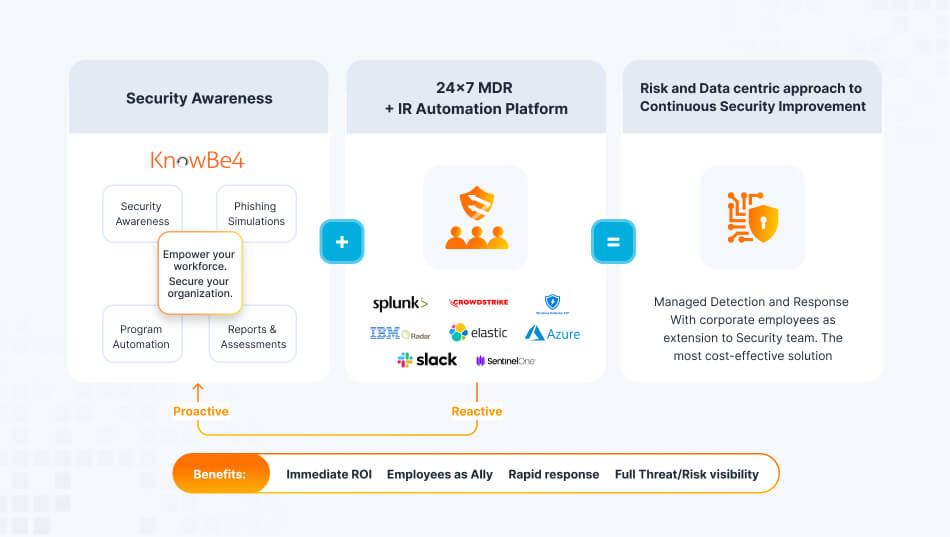
UnderDefense MAXI MDR marries proactive and reactive cybersecurity, ensuring practical awareness training for your team, allowing complete 24/7 control across your environment, and responding to threats faster with automated managed detection and response. Here is how:
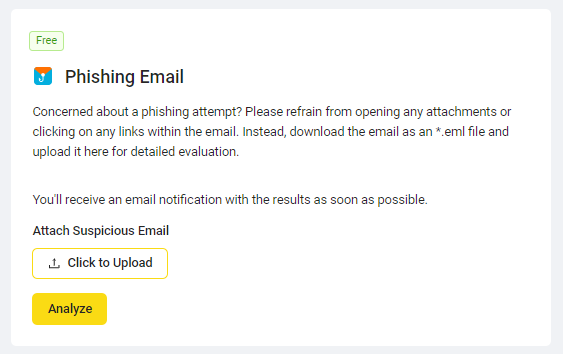
- Phishing Email Analysis.Train employees to precisely analyze Phishing Emails or send fake emails to the MDR experts for detailed investigation.
- Interacting with the MDR team. Connect continuously with MDR specialists to perform regular audits, get security recommendations, and pass real-world tests to help your teams find and stop attacks.
- Phishing simulations. Require phishing simulations to establish how employees detect and stop phishing emails This approach allows you to define who has violated security rules that put your organization at risk of being compromised.
- Acquiring proper context for proactive security. UnderDefense MAXI provides proactive tools with the right context for determining who needs to repeat security training.
Conclusion: Managed Security Awareness and your Employees are your Firewalls
Many companies often focus solely on reactive measures, responding to incidents as they occur, which can leave significant security gaps. Conversely, some organizations invest heavily in proactive strategies like security awareness training programs. While these programs are essential, they can be insufficient on their own.
By adopting a balanced mix of proactive and reactive tactics, UnderDefense ensures your team is prepared to prevent and address risks comprehensively, fostering a secure and resilient organization.
Long for managed security awareness and:
- Make sure that your employees are your firewalls.
- Prepare your employees to recognize and neutralize attacks.
Picking an excellent cyber plan can be tricky. However, your employees can be strong guards in proactive and reactive ways to raise managed security awareness. Who else would you trust but your staff? Stay safe out there; remember, your firewall is only as strong as the people behind it.
Thank you for reading this article. I hope my insights and experiences have underscored the real threat that social engineering poses to organizations. By working together and leveraging the expertise of the UnderDefense Pentest team and our UnderDefemse MAXI platform, we can better protect against these pervasive human-targeted attacks.